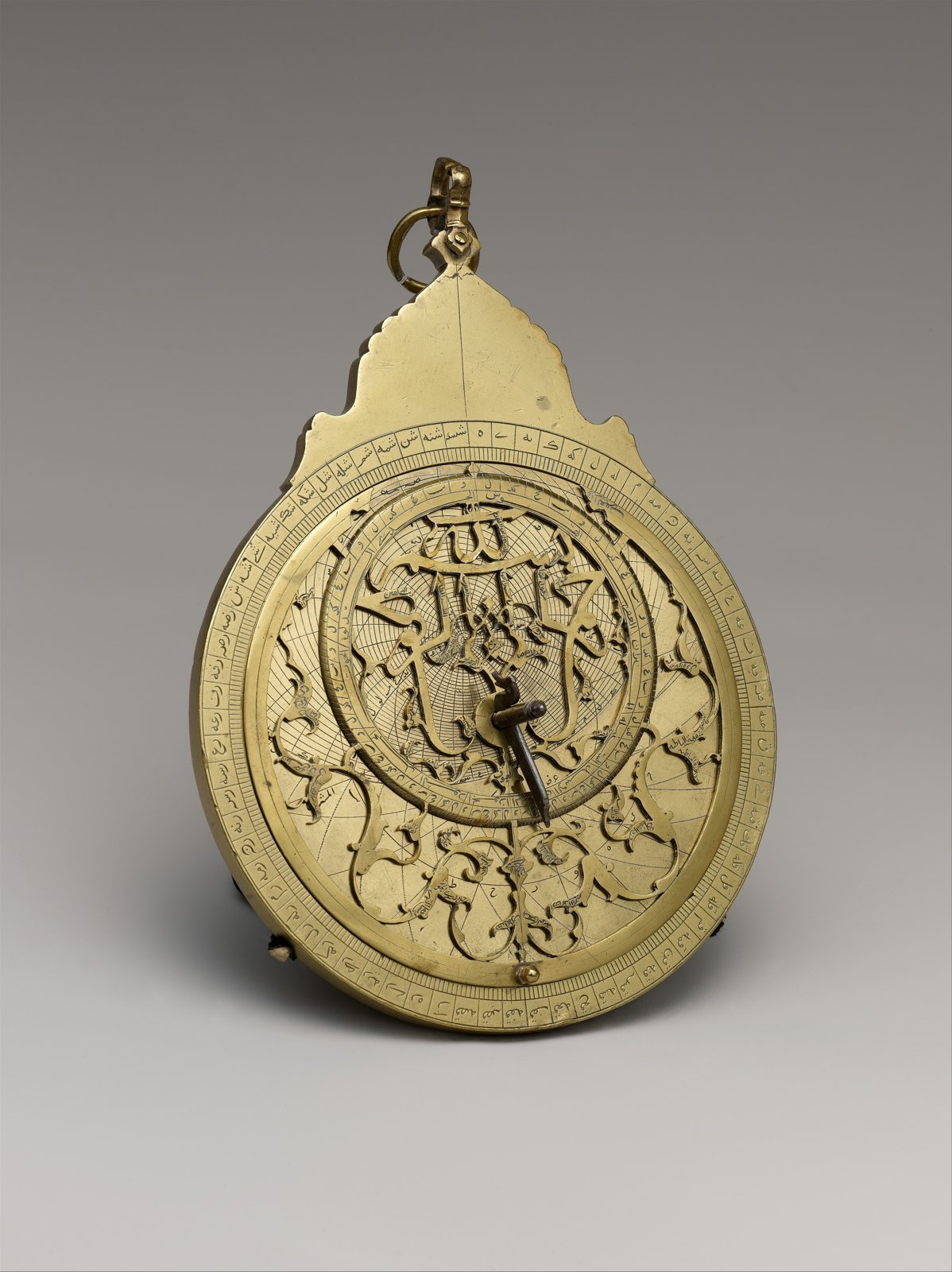
Photo: Paolaricaurte, CC BY-SA 4.0, via Wikimedia Commons
On Saturday 31 October, from two in the afternoon according to the city's tourism office, more than 4,000 performers and twelve floats will move down Paseo de la Reforma in Mexico City, from the fountain of Diana the Huntress to the Zócalo, under skeleton puppets several storeys high. Mexico's confederation of chambers of commerce expects the country to spend around 53 billion pesos on the holiday this year, about 2.8 billion dollars, on flowers, bread, candles and travel.
None of the people watching had a parade like this when they were children. It was staged for the first time in 2016, after the opening sequence of the James Bond film Spectre, shot in the capital the year before, showed a Day of the Dead procession that did not exist. Tourists arrived expecting to see it. The city obliged. It is an old pattern: Día de Muertos has been rebuilt by outsiders and officials several times, and each layer is now treated as ancient.
What the Mexica did with their dead
The Aztecs, who called themselves Mexica, had two festivals for the dead in their calendar of eighteen months, and neither fell in November. Miccailhuitontli, the small feast of the dead, and Huey Miccailhuitl, the great feast, came in the ninth and tenth months, roughly late July and August by our reckoning, after the first harvest. The Franciscan friar Bernardino de Sahagún, whose Nahua informants described the old rites for him after the conquest, recorded offerings of food and flowers to the dead, dancing, and a tall pole raised in the plaza and climbed for prizes.
The dead themselves were thought to be travelling. Most people, whatever they had done in life, went to Mictlan, the underworld, a four-year journey through nine levels, past clashing mountains and a wind of knives, with a dog to help them cross a river at the end. Mictlan was ruled by a lord and lady of the dead, Mictlantecuhtli and Mictecacihuatl. The living could send provisions after the traveller. Skulls were everywhere in Mexica religion, carved in stone and displayed in rows on wooden racks called tzompantli. One such rack, with hundreds of real skulls mortared into a tower, has been coming out of the ground beside the Templo Mayor in central Mexico City since 2015, and the excavations continue.
The friars move the date
The Spanish who arrived in 1519 brought a calendar that already had two days for the dead. All Saints settled on 1 November during the eighth and ninth centuries. All Souls, on 2 November, was introduced by the monks of Cluny in France around 998 and spread across western Europe. Medieval Spaniards marked them with Mass, candles, visits to graves, and bread and sweets left out for the souls.
Faced with a population that would not stop feeding its dead, the friars did what the Church had done with midwinter and midsummer in Europe a thousand years earlier. The native feasts were suppressed, and the offerings migrated to the two days the Church already set aside. Whether that was a deliberate policy or just what happened when two cultures with similar instincts shared a calendar is one of the things historians disagree about. Either way, by the seventeenth century Mexican towns were keeping All Saints for dead children and All Souls for dead adults, with food on the altar and marigolds on the grave, and that is still the division today.
The argument about how Aztec any of it is
The evidence is messier than the tourist boards admit. The ofrenda, the altar with its tiers of candles, bread, fruit, salt, water and photographs, looks pre-Hispanic to a visitor, and it is sold that way. But almost every element has a European counterpart. Bread for the dead was a Spanish custom. Sugar skulls come from a sugar-sculpting tradition that Italian and Spanish confectioners practised on saints' days, and sugar itself only arrived with the conquest. Candles, incense and the tiered altar are straight out of a Catholic church.
The late Elsa Malvido, a historian at Mexico's National Institute of Anthropology and History, argued for years that Día de Muertos is essentially a colonial and medieval European festival, and that its Aztec pedigree was largely written in the twentieth century. Others point to Nahua, Purépecha and Mixtec communities where the all-night cemetery vigils, the marigold paths from the road to the house and the belief that the dead physically visit were recorded long before any government took an interest. My own reading is that both sides are right about different things: the dates and most of the furniture are European, and the attitude, the easy, domestic, half-joking hospitality towards the dead, is not something the friars brought with them.
The skeleton who became a lady
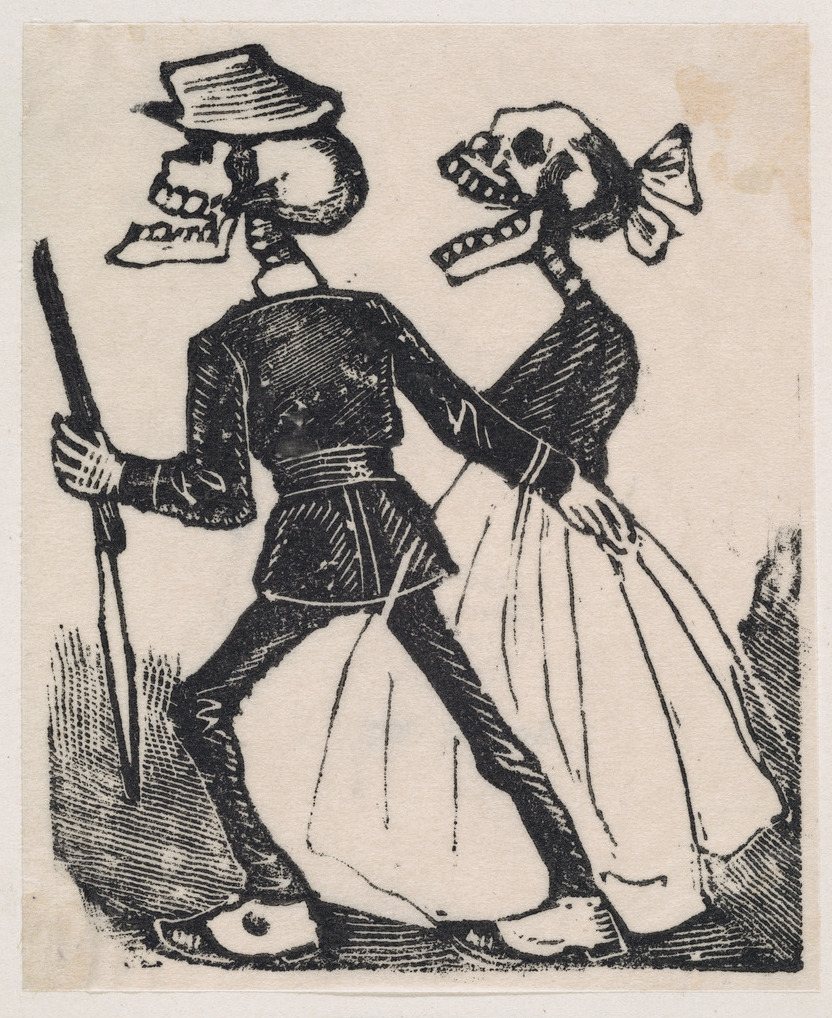
José Guadalupe Posada, two skeletons from the broadside La Calavera de Cupido, c. 1892, The Metropolitan Museum of Art, CC0
The face of the festival is a grinning skeleton in a huge flowered hat. She was drawn around 1910 by José Guadalupe Posada, a printmaker who turned out thousands of cheap broadsheets for a Mexico City publisher, and she was a joke at the expense of poor women who powdered their faces and dressed above their station. Posada called her the calavera garbancera, the chickpea-seller skull, and died in January 1913, broke, at about the time the broadside carrying her went on sale.
Diego Rivera gave her a body, a dress and a name. In his 1947 mural Dream of a Sunday Afternoon in the Alameda Central, she stands in the middle of Mexican history in a feathered boa, arm in arm with Posada, holding the hand of a boy who is Rivera himself. He called her La Catrina, the posh lady. By then the governments that came out of the Revolution were actively promoting the Day of the Dead as proof that Mexico had a culture older and deeper than Spain's. The schoolteachers, muralists and anthropologists of the 1920s and 1930s did more to standardise it than any friar had.
What goes on the altar
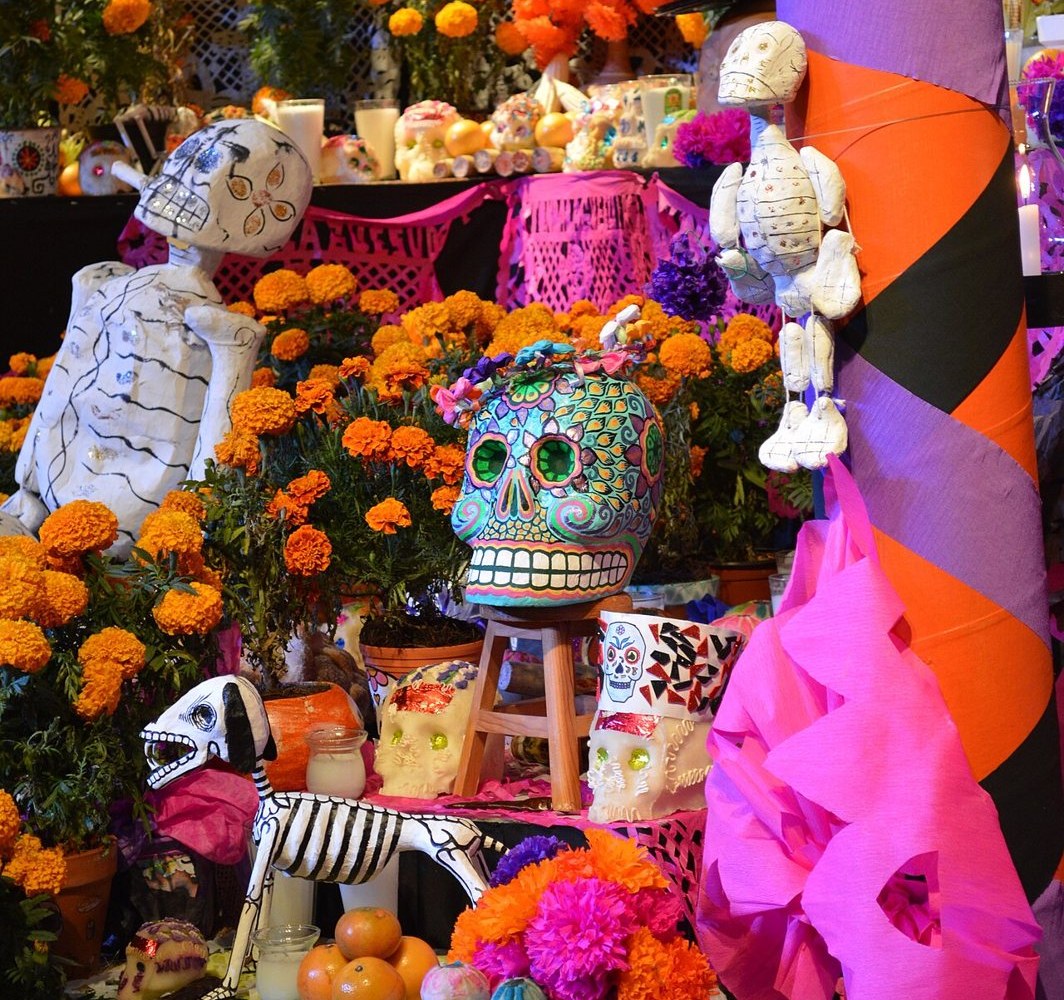
The festival as most Mexican families keep it is practical. The dead are expected back, children on the first night and adults on the second, so the house is made ready as for any guest. A path of marigold petals leads from the street to the altar, because the dead are said to find their way by the flower's colour and smell. Pan de muerto, a sweet round loaf with bone shapes on top, sits with the dead person's favourite dish, a glass of their drink, a packet of their cigarettes if they smoked. Papel picado, cut tissue paper in bright colours, hangs above it all and moves when the air does, which is taken as a sign that someone has arrived.
In the villages around Lake Pátzcuaro in Michoacán, and in Mixquic on the edge of Mexico City, families spend the night of 1 to 2 November in the cemetery with candles, blankets and food, and it is less mournful than it sounds. People talk to the graves, and to each other, and lately to the visitors with cameras.
What happens on Saturday
UNESCO added the indigenous festivity dedicated to the dead to its list of intangible cultural heritage in 2008. Pixar's Coco, in 2017, did for the holiday abroad what Spectre had done in the capital. Banks in Mexico close on 2 November, although it is not a mandatory day off.
The parade on Saturday sets out from the Diana fountain at two o'clock and ends in the Zócalo, the great square that was once the Mexica sacred precinct. The tower of skulls that archaeologists are still uncovering stands a few hundred metres from where the floats will stop.
Enjoyed this story?Get a new one every day on social.