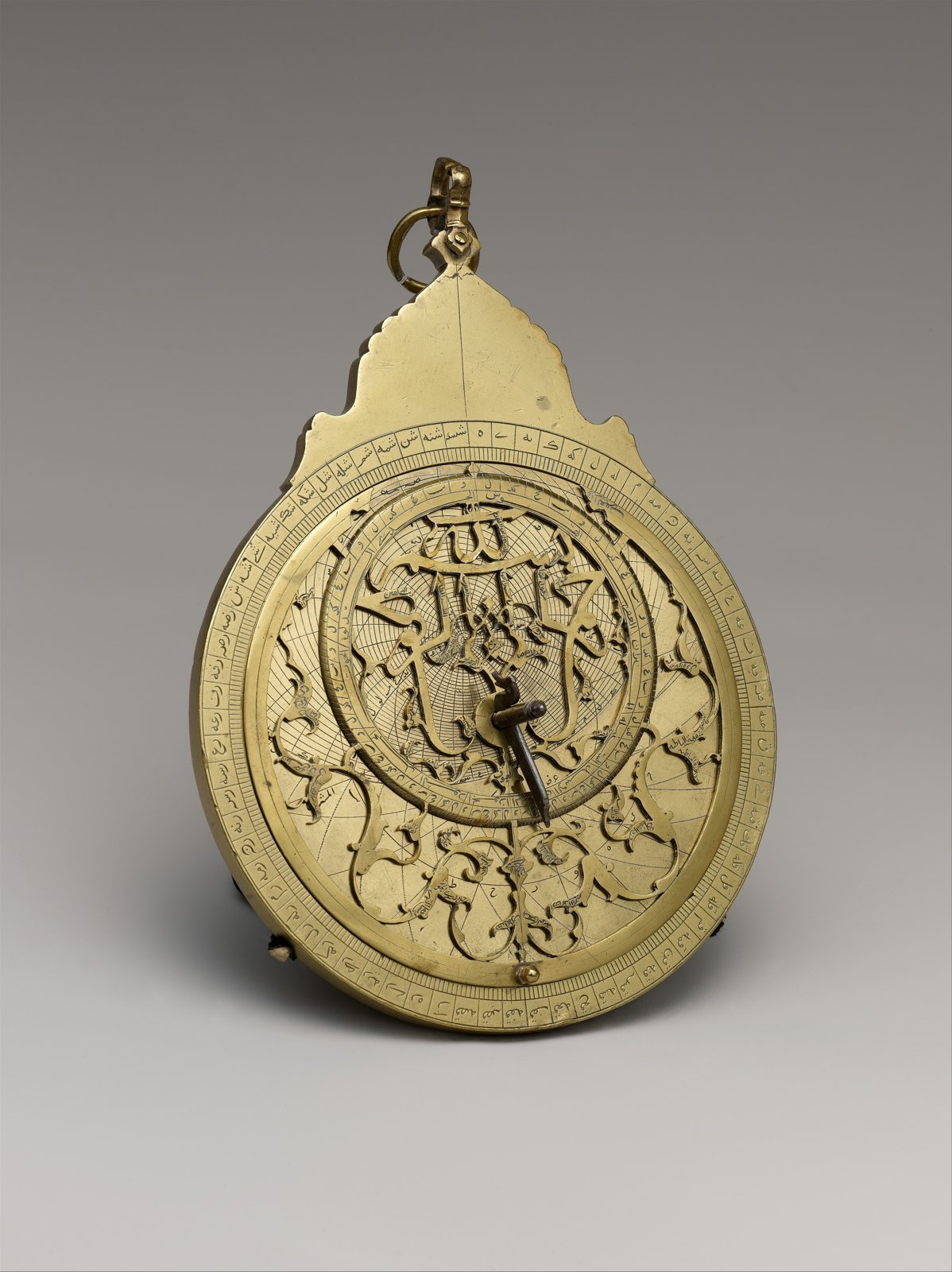
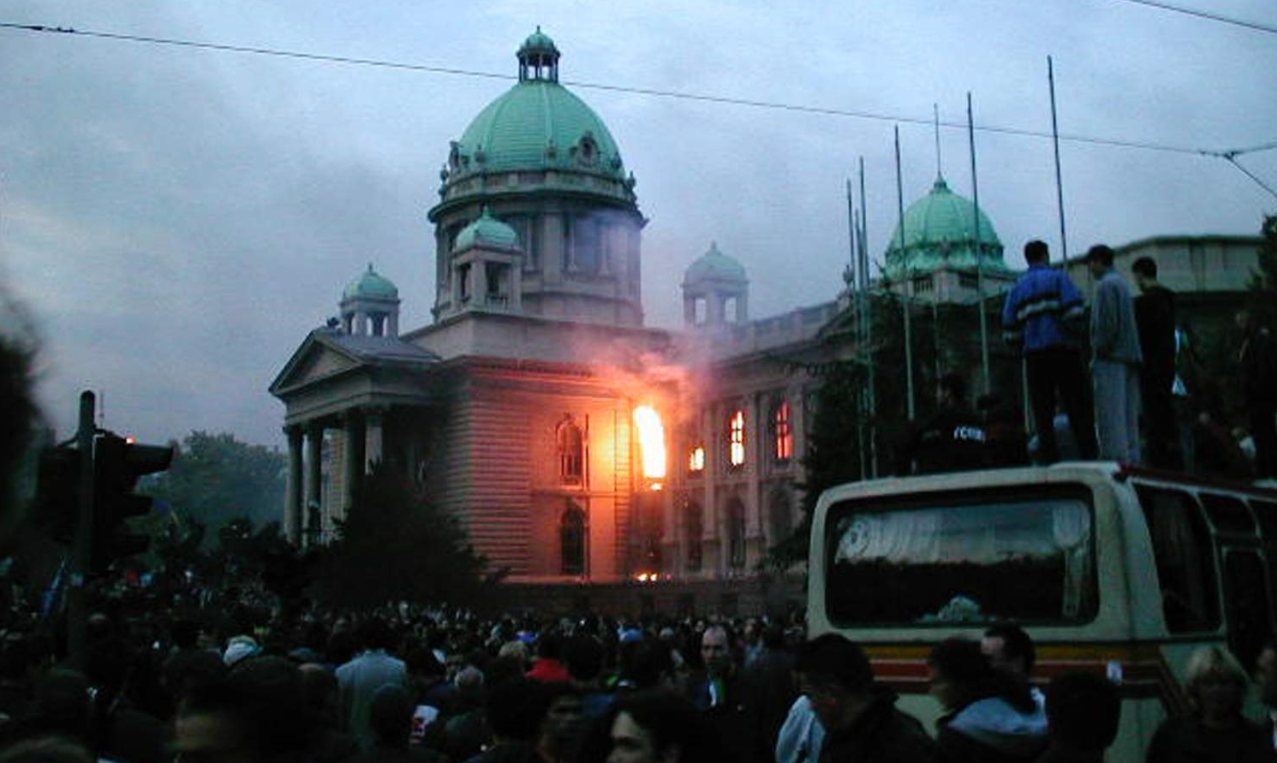
Muhammad Zaman al-Munajjim al-Asturlabi, Planispheric Astrolabe (1654-55), The Metropolitan Museum of Art, CC0
Sixty. Not ten, which is how many fingers you have, and not a hundred, which is how we count everything else. Sixty seconds to the minute, sixty minutes to the hour, and three hundred and sixty degrees around a circle, which is six sixties. No committee ever chose these numbers. They were in use in the cities of southern Iraq before anyone had written a word of Greek, and they have survived every attempt to tidy them up, including one by the French Revolution.
Last week, at Versailles, the General Conference on Weights and Measures voted to stop adding leap seconds to the world's clocks from 20 May 2027. It is a small technical decision, and it is the latest move in an argument at least five thousand years old, between the sky, which does not keep neat time, and the people who have to write the time down.
A number you can divide by almost anything
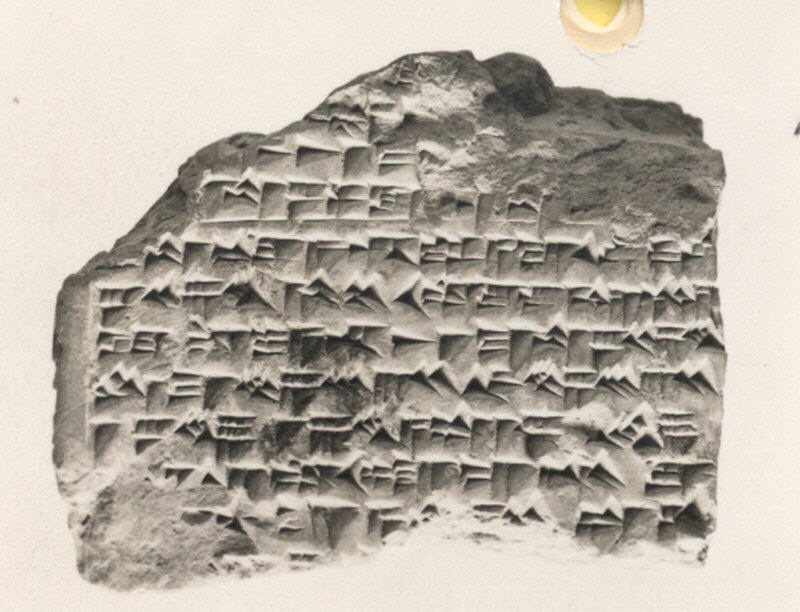
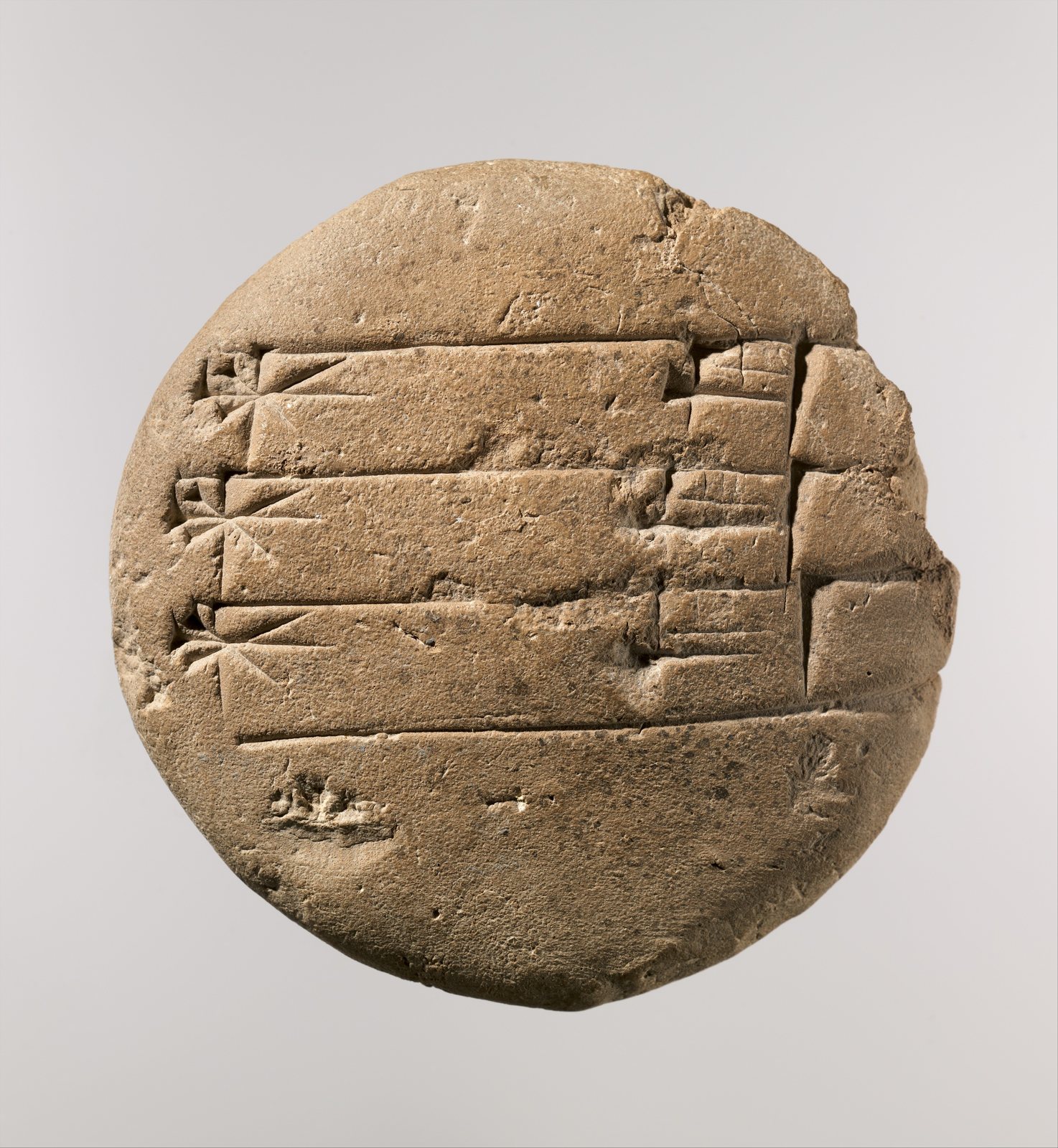
Cuneiform tablet: fragment of a mathematical problem text (ca. late 1st millennium BCE), The Metropolitan Museum of Art, CC0
The Sumerians counted in sixties. Their number system, which the Babylonians inherited and refined, was place-value like ours, except that each place was worth sixty times the one to its right rather than ten. Why sixty, nobody can say for certain. The usual explanation is practical: sixty divides evenly by one, two, three, four, five and six, and also by ten, twelve, fifteen, twenty and thirty. If you are a temple scribe sharing out barley rations among any number of workers, that matters more than how many fingers you have. (There is also a theory that it comes from counting the twelve finger joints of one hand with the thumb, five times over, once for each finger of the other hand. It is a nice theory. I have never seen a Sumerian text that supports it.)
Whatever the reason, the arithmetic lasted. Babylonian scribes used sexagesimal fractions to work out the movements of the moon and planets, and the Greeks, when they got hold of the tables a thousand years later, could not improve on them. The tablets survive by the thousand in museum drawers, columns of wedge-marks that are, when you read them, very long division in base sixty.
The circle of 360 degrees comes out of the same habit. The Babylonians used an idealised year of 360 days in some calculations, and dividing the sun's path into 360 parts meant it moved roughly one part a day. It was never exactly right, and they knew it, but it divided beautifully.
Egypt supplies the hours
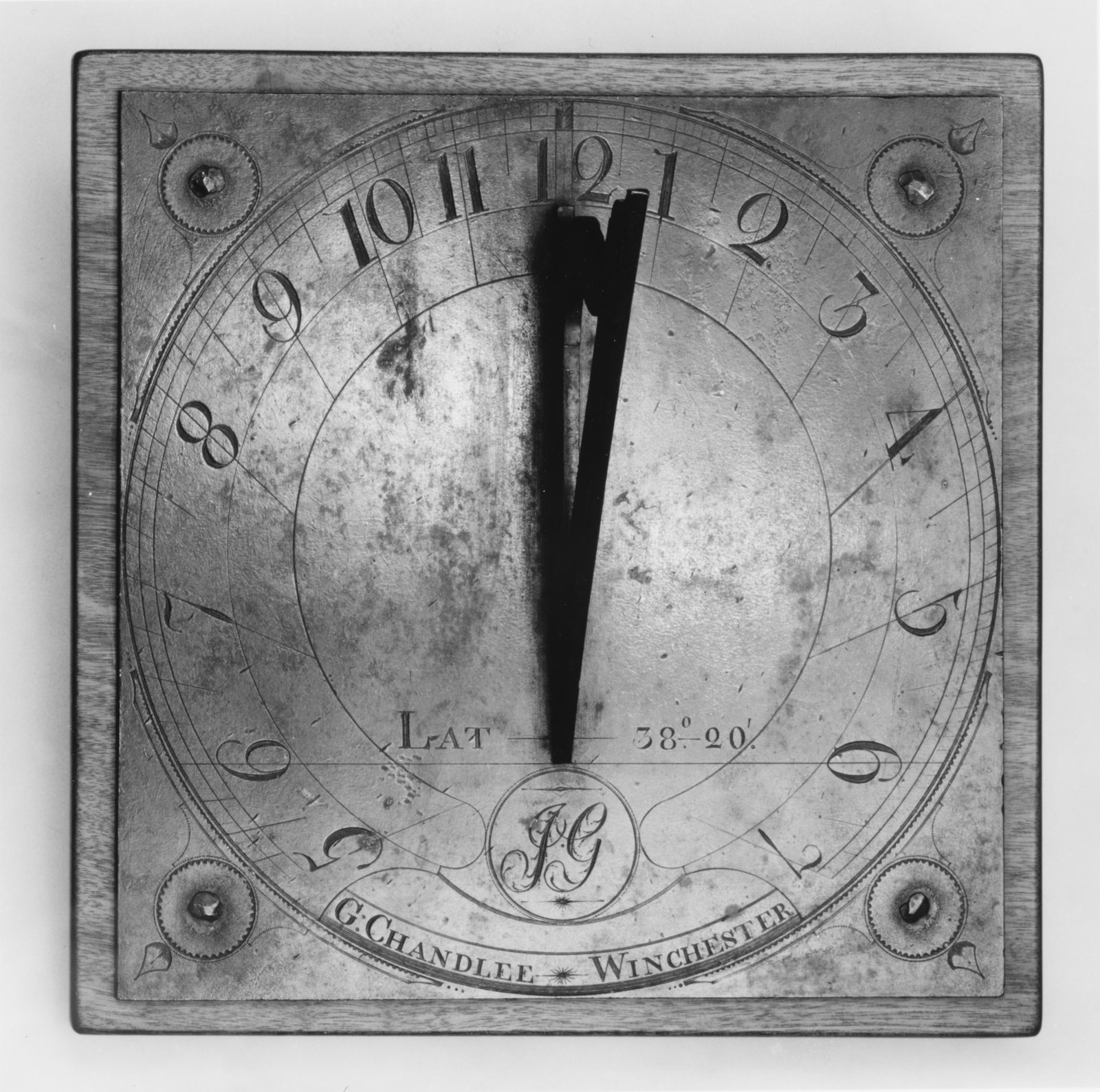
The hour came from somewhere else. Egyptian astronomers, by around 2100 BC, were dividing the night into twelve parts by watching a series of stars rise, and the daylight into twelve more by the shadow on a sundial. That gave twenty-four hours, but not the kind we have now. An Egyptian hour stretched and shrank with the seasons: a summer daylight hour was long, a winter one short, and nobody minded, because the hours were there to tell you when to pray and when to open the gates, not to time anything.
Ptolemy's first small parts and second small parts
The Greeks put the two traditions together. Hipparchus, working on Rhodes around 150 BC, took the Babylonian 360-degree circle, took the Babylonian habit of sexagesimal fractions, and proposed, for astronomers at least, hours of equal length all year round. Three centuries later Ptolemy, in Alexandria, wrote the whole system down in the Almagest, the astronomy textbook that would be copied for the next fourteen hundred years. He divided each degree into sixty parts, and each of those into sixty again.
The names came in Latin translation. The first division was the pars minuta prima, the "first small part". The second was the pars minuta secunda. The Latin wore down to the words we have now, and the second is a "second" only because it is the second time you have divided by sixty.
For a thousand years after Ptolemy, minutes and seconds were things astronomers did on paper, to angles. Nobody could measure a second of time. The Persian scholar al-Biruni, around the year 1000, was giving the moments of new moons in hours, minutes, seconds, thirds and fourths, each a sixtieth of the last, entirely by calculation.
The clocks catch up, slowly
Engraved brass sundial made by Goldsmith Chandlee of Winchester, Virginia, about 1800, The Metropolitan Museum of Art, CC0
The first mechanical clocks, in the monasteries and cathedral towers of late thirteenth-century Europe, had no dials at all. They struck a bell on the hour, which was all anybody needed. The clock in Salisbury Cathedral, probably from the 1380s, still runs and still has no face. Once dials appeared they showed hours only, and a single hand was plenty, because the clocks drifted by a quarter of an hour a day and a minute hand would have been a lie.
Minute hands only made sense once clocks were good enough to deserve them. The Swiss clockmaker Jost Bürgi built clocks with minute hands in the 1580s for, among others, Tycho Brahe, who wanted them for his observations (we ran a piece on Tycho's death this morning; he died with the best clocks in Europe in the next room). The seconds hand became common after Christiaan Huygens put a pendulum in a clock in 1656 and English makers paired it with the anchor escapement in the 1670s. For the first time the sixtieth of a sixtieth of an hour was something a person could watch go by.
The French revolutionaries tried to get rid of all of it in 1793: ten-hour days, hundred-minute hours, hundred-second minutes, to match the metre and the gram. Decimal time lasted about eighteen months. People would accept new weights and a new calendar, it turned out, but they would not learn to tell the time again.
Caesium, and the problem with the planet
In 1967 the second stopped being a fraction of the day at all. It was redefined as 9,192,631,770 oscillations of a caesium atom, because atoms are steadier than planets. That created a new difficulty. The Earth's rotation wobbles and, over the long run, slows, so atomic time and sun time slowly part company. Since 1972 the answer has been the leap second: when the gap approached nine-tenths of a second, an extra second was slipped in at midnight, usually on 31 December. Twenty-seven have been added. The last was at the end of 2016.
Computers hate them. A minute with sixty-one seconds has taken down airline systems and large websites more than once, and lately the Earth has been spinning slightly faster, raising the prospect of a negative leap second, a minute with fifty-nine, which has never been tried and which nobody wanted to test first. In 2022 the weights-and-measures conference agreed in principle to stop; on 15 October this year, at its meeting in Versailles, it fixed the date. From 20 May 2027, Coordinated Universal Time runs on without corrections, and the gap with the sun is allowed to grow, perhaps to an hour over the coming centuries, before anyone has to decide what to do about it.
So the clocks that go back an hour across Britain and Europe tonight are still, under the glass, counting in a Sumerian scribe's sixties, divided the way an Alexandrian astronomer divided them, on an atomic beat set in 1967. My own view is that this is the right way round. The sky was always a poor clock, and the Babylonians, who watched it more carefully than anyone, would have been the first to say so.
Enjoyed this story?Get a new one every day on social.