Why It Is Called the World Series: A Freezing Weekend in 1884, Not a Newspaper
A reader wrote to ask, with the Brewers and Rays about to play Game 2 tonight, why a contest between two American teams gets to call itself the World Series. She had heard it was named after the New York World, the newspaper, which sponsored the first one. A lot of people have heard that. It is not true, and the real answer is better, because it involves a man who pitched sixty games in one summer and a crowd of five hundred people who were too cold to stay.
Three games at the Polo Grounds
In the 1880s there were two major leagues, the National League, founded in 1876, and the American Association, founded in 1882, which the older league looked down on for selling beer and playing on Sundays. By 1884 the two had stopped poaching each other's players under a peace treaty, and the owners of that year's champions decided to settle which league was better. The Providence Grays of the National League would meet the New York Metropolitans of the Association at the Polo Grounds in Manhattan, then at 110th Street and Fifth Avenue, in a best-of-three beginning on Thursday 23 October 1884.
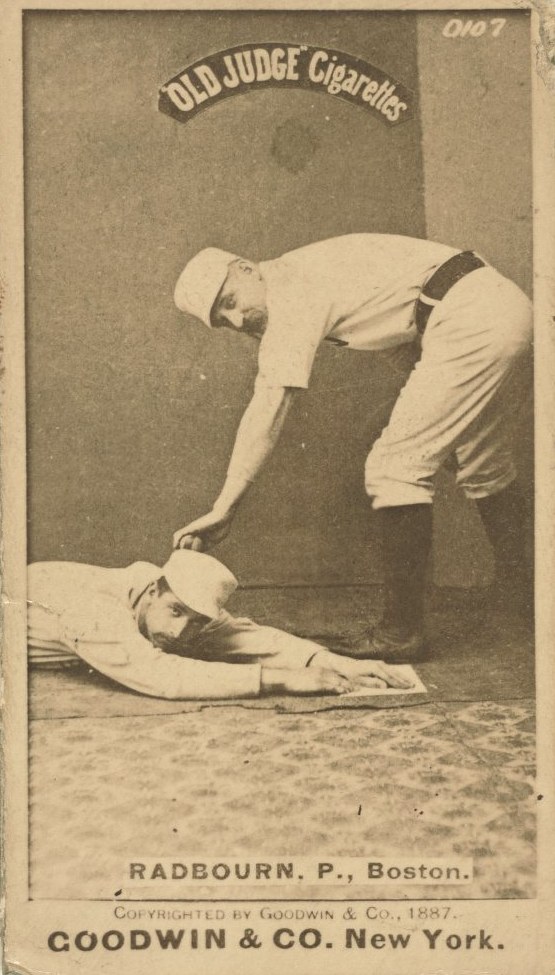
Providence had a weapon. Their pitcher Charles Radbourn, called Old Hoss, had taken over the entire pitching load in July after a teammate was thrown off the club, and had won somewhere between fifty-nine and sixty games on his own, depending on how you score one of them. Nobody has come within twenty of that since, and nobody will. He pitched all three games in New York.
The weather was the other story. A parade through the city on the Wednesday evening, in seventy-six degrees, was rained out by a cold front. Thursday was fifty-one with a wind. Friday, 24 October, was in the forties and the game was called after seven innings for darkness. Saturday was freezing and they stopped after six. Attendance went from about 2,500 to about 1,000 to about 500. Providence won all three, 6-0, 3-1 and 12-2, and that was that: the Grays were, in the phrase the promoters had chosen, champions of the world.
Whose world
That phrase was the point. The 1880s were the great age of the American boast. Boxers fought for the championship of the world in rings where everyone in attendance was from the same three cities. Cities held world's fairs. A rail company would promise the fastest train in the world without having checked. When the owners wanted to sell a postseason exhibition between Rhode Island and Manhattan, "world's championship series" was the natural size of claim to make, and the newspapers obliged, in a dozen variations: championship series, world's championship, world's series, the series for the championship of the world. The Spalding and Reach guides, the sport's annual bibles, printed "World's Series" with an apostrophe and the s, and that is how it stayed into the 1910s, until the apostrophe fell off.
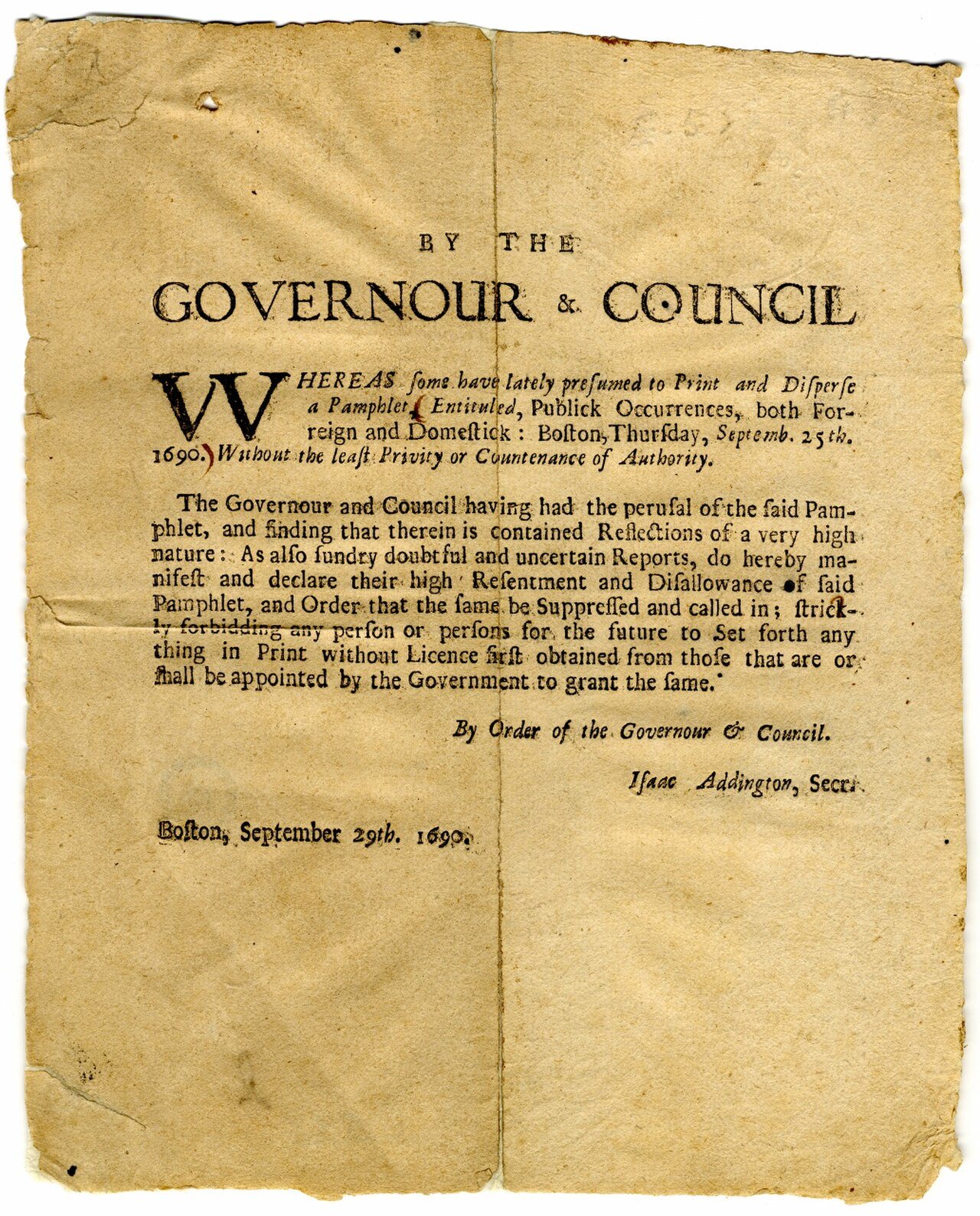
The New York World, Joseph Pulitzer's paper, reported those games the way it reported everything else. It did not sponsor them and never put up a trophy. A researcher at the Baseball Hall of Fame who went looking for any link found none and called the idea an urban myth, which is where it belongs. The myth seems to have appeared in print around 1991 and spread because it sounds like the sort of thing that would be true. (I believed it myself for years.)
The series went on each October until 1890, when the Association began to fall apart; it folded after 1891 and its surviving clubs were absorbed into the National League. For a decade there was no second league to play against and therefore no world to be champion of.
1903, and the year nobody played
What most fans think of as the first World Series happened in 1903, when the new American League, two years old and resented, got its champion Boston Americans a best-of-nine against Pittsburgh. Boston won five games to three, Deacon Phillippe pitched five complete games for the losers, and the owners borrowed the name wholesale from the 1880s because there was no reason to invent another one.
Then in 1904 the New York Giants won the National League and refused to play. John McGraw, their manager, and John Brush, their owner, had a grudge against the American League in general and its New York club in particular, and said in public that they would not dignify a minor league. The uproar was loud enough that the following winter Brush himself drew up the rules under which the series has been played ever since, including the split of the gate money, and the two leagues have met every October since 1905 except 1994, when a strike cancelled the season.
The "world" became marginally more honest in 1992, when the Toronto Blue Jays won it, and again in 1993. It has not grown since. Teams in Mexico City and Tokyo play in leagues that do not feed into it, and a genuine world club championship for baseball has been proposed roughly every ten years and never built.
This week's champions of the world
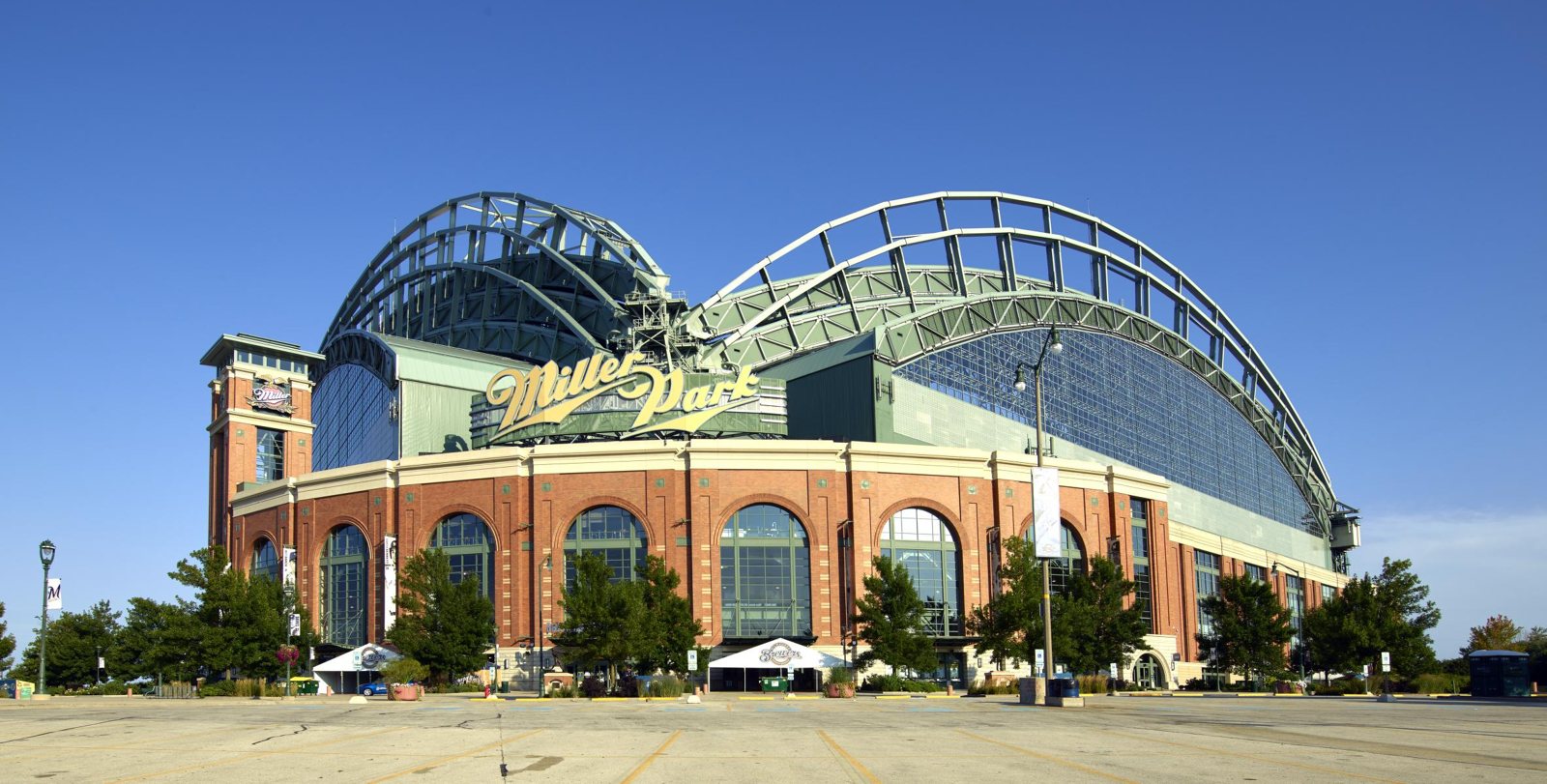
Which brings us to Milwaukee, where the Brewers beat the Tampa Bay Rays 3-2 on Friday night at American Family Field to go one up. The Brewers had the best record in baseball this season, 103 wins, and are in the Series for the first time since 1982; the Rays, who have been twice before, were the top seed in the American League. Neither franchise has ever won it, so whoever gets to four will be a first-time champion of the world, as Providence was.
The 1884 Grays did not last long after their title; the city lost its major-league club after the 1885 season and never got it back. Radbourn's arm gave out within a few years and he died in 1897. He is in the Hall of Fame, and the Polo Grounds where he pitched three games in three days in the cold disappeared under the Manhattan street grid in 1889.
The name is fine by me. It was a boast in 1884 and it is a boast now, and everyone who watches knows it, which is more than you can say for most of the names in sport.