Photo: Kim Traynor, CC BY-SA 4.0, via Wikimedia Commons
Pope Leo XIV said Mass in Palermo, in the north of Buenos Aires, on Monday, and the Buenos Aires Times put the crowd at about two and a half million, the largest of his papacy so far. It was the first time a pope had been in Argentina in decades. His predecessor Francis, the first Argentine pope, never went home after his election in 2013, which Argentines noticed and talked about for twelve years.
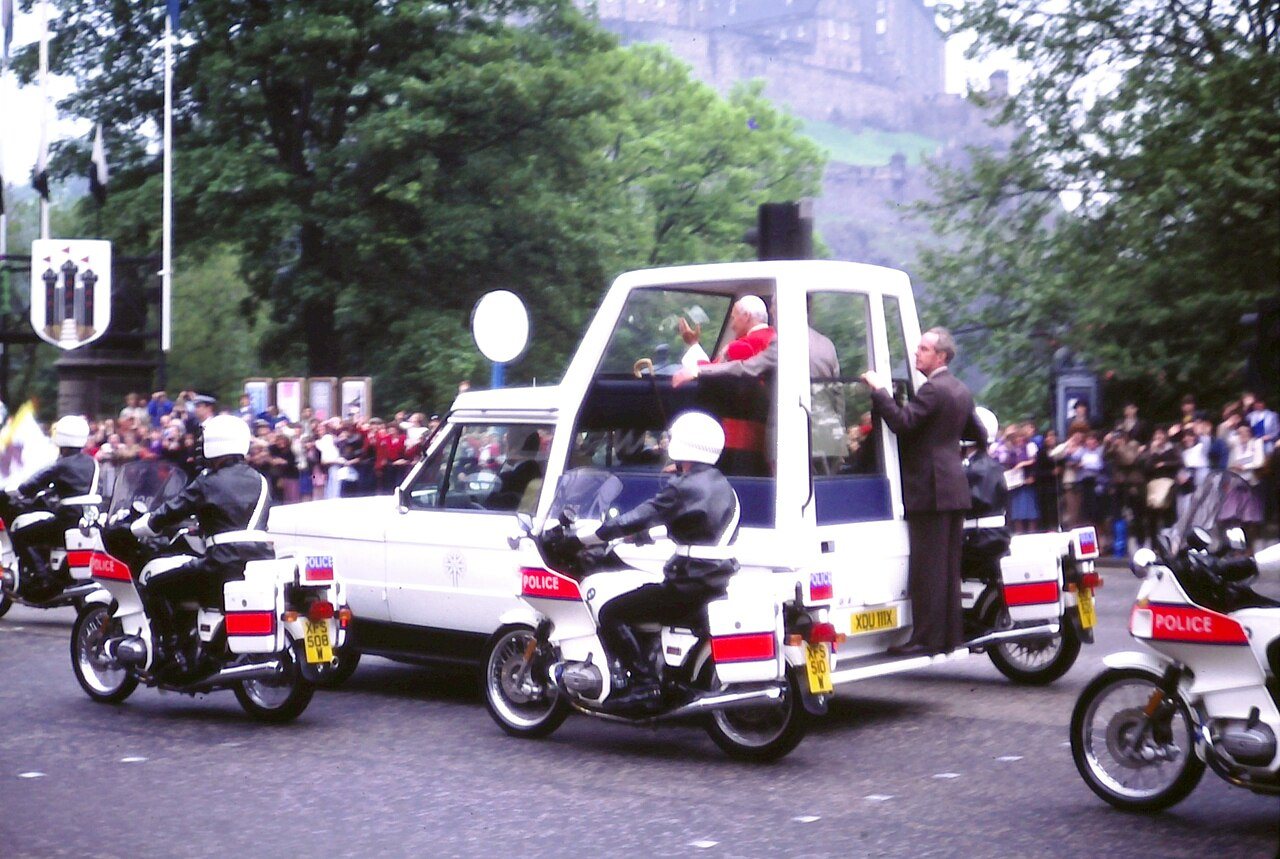
The last pope to visit, as Leo himself pointed out, was John Paul II, in April 1987. But that was his second trip. The first time a pope set foot in Argentina was in June 1982, and he came because Argentina was at war with Britain and he had just been to Britain.
A war nobody in Rome wanted
On 2 April 1982 Argentine forces landed on the Falkland Islands, which Argentina calls the Malvinas and Britain had held since 1833. The military junta in Buenos Aires, led by General Leopoldo Galtieri, expected the British to protest and then negotiate. Margaret Thatcher's government sent a naval task force instead. By the end of May British troops were ashore on East Falkland and moving towards Port Stanley.
This was awkward for the Vatican for a reason that had nothing to do with sovereignty. John Paul II was due in Britain on 28 May for the first visit ever made by a reigning pope, planned for years. Argentina is an overwhelmingly Catholic country. A pope landing in London in the middle of a shooting war with Argentina would look, from Buenos Aires, like a blessing for the other side.
The Mass with four cardinals
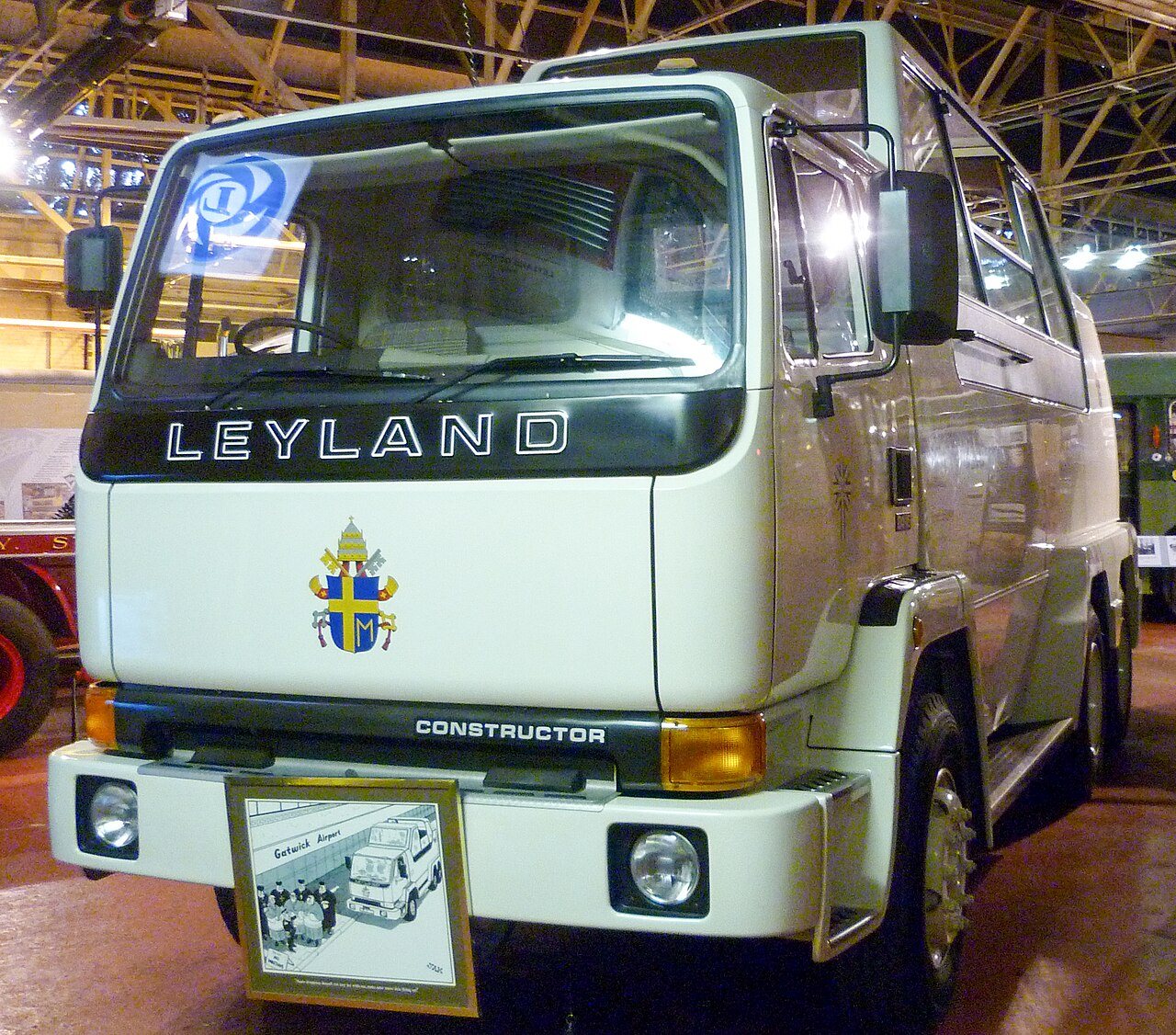
The Leyland Constructor popemobile built for the 1982 papal visit to Britain, now on display in a museum. Photo: DeFacto, CC BY-SA 4.0, via Wikimedia Commons
The trip nearly didn't happen. English and Scottish bishops lobbied hard to save it, and the Vatican looked for a way to show it wasn't choosing sides. On 22 May the pope said a Mass for peace in St Peter's with cardinals from both countries at the altar: Basil Hume and Gordon Gray from Britain, Juan Carlos Aramburu and Raúl Primatesta from Argentina. The British visit went ahead, on the condition (never quite spelled out in public) that it stay pastoral. He met the Queen, as head of the Church of England, and did not meet Thatcher or any minister.
At the same time, the Vatican announced that he would go to Argentina as soon as he could. It took about two weeks. He left Britain on 2 June, made a short trip home, and landed in Buenos Aires on 11 June 1982.
Thirty hours in Buenos Aires
He was in the country barely a day and a half. He went to the basilica at Luján, the national shrine west of the capital, and said a large open-air Mass in Palermo, the same part of the city where Leo stood this week. He met Galtieri. In what he said in public he talked about peace, about the dead on both sides and about the families waiting for news, and he did not say who was in the right, though plenty of Argentines wanted him to.
What the crowds knew, and the junta's press was still not telling them, was that the war was nearly over. While he was in Buenos Aires, British forces were making their night attacks on the hills around Stanley. The Argentine garrison surrendered on 14 June, two days after his plane took off. Galtieri was out of office within the week, and the junta did not survive the following year.
I have always found the timing hard to read. The visit had been fixed in advance as a balancing act for London, so it was never meant to coincide with the end. But it is difficult to imagine a worse week to arrive in a country as a man of peace, or a more useful one.
The war the pope did stop
There is a reason Argentines were willing to listen to John Paul II on war, and it had happened four years earlier. In December 1978 Argentina and Chile came within hours of fighting over three small islands at the mouth of the Beagle Channel, near Cape Horn. The Argentine plan, Operation Soberanía, had ships at sea and troops moving. At the last moment both governments accepted an offer of papal mediation, and the pope sent Cardinal Antonio Samorè to the region.
The talks took six years. The result was the Treaty of Peace and Friendship signed in 1984, which gave the islands to Chile and most of the maritime rights to Argentina, after Argentines approved it in a non-binding referendum by a wide margin. It is one of the clearer cases in the twentieth century of a war that was ready to start and didn't, and the pope who brokered it was the same one who flew into Buenos Aires in 1982.
Two popes, two speeches
John Paul came back in April 1987, by which time Argentina had an elected president, Raúl Alfonsín, and the visit was a celebration rather than a rescue. He held the World Youth Day gathering in Buenos Aires that year, the first one held outside Rome.
Leo's visit is a different sort of trip. He spoke this week about social justice, about the poor and about artificial intelligence, and met privately with victims of clerical abuse. He has not, as far as I have seen in the reports, said anything about the Malvinas, and he had no reason to. Argentina still claims the islands; its constitution says so, and the islanders voted in 2013 to stay British by a margin that left no room for argument. Whether a pope will ever be asked to help with that one is a question nobody in Rome seems in a hurry to answer.
Enjoyed this story?Get a new one every day on social.