Angola Buys Into De Beers, the Diamond Empire Cecil Rhodes Built in 1888
Five million, three hundred and thirty-eight thousand, six hundred and fifty pounds. That was the figure on the cheque that Cecil Rhodes's De Beers Consolidated Mines signed over to the liquidators of the Kimberley Central Diamond Mining Company in July 1889, to buy out its last serious rival. It is usually described as the largest cheque ever written up to that time, a claim I have never been able to check and suspect nobody else has either. The cheque survived and became a museum piece. What it bought was more valuable than a mine: the price of diamonds.
On Friday the chief executive of Angola's state diamond company, Endiama, said Angola would pay about $180 million for a 10 percent stake in De Beers. Anglo American, which has controlled De Beers for most of a century, put it up for sale in 2024. Botswana's president, Duma Boko, announced on 9 November that Angola and Namibia would join Botswana, which already holds 15 percent, as the company's new owners. Diamond prices are falling and laboratory-grown stones are taking market share, so this is not obviously the bargain of the decade. But for three African governments to be buying the company Rhodes built is a turn of the story he would not have predicted.
Two brothers and a farm called Vooruitzicht
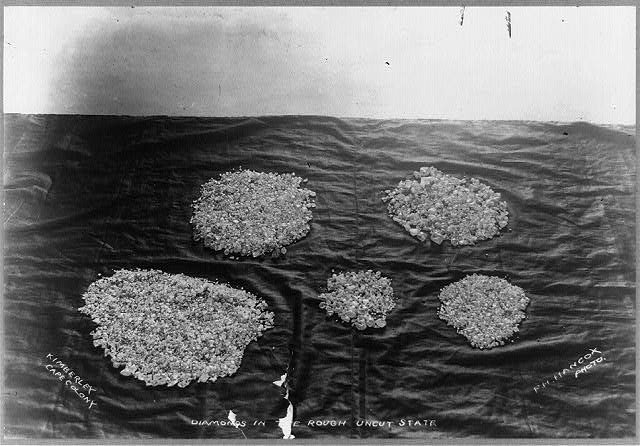
The name comes from a pair of Boer farmers, Johannes Nicolaas and Diederik Arnoldus de Beer, who owned a dry, unpromising farm called Vooruitzicht in what is now South Africa's Northern Cape. Diamonds had been turning up along the Orange and Vaal rivers since a boy picked one up near Hopetown in the late 1860s. In 1871 they turned up on the De Beers' land, first in one spot and then, in July, on a small hill a mile away called Colesberg Kopje.
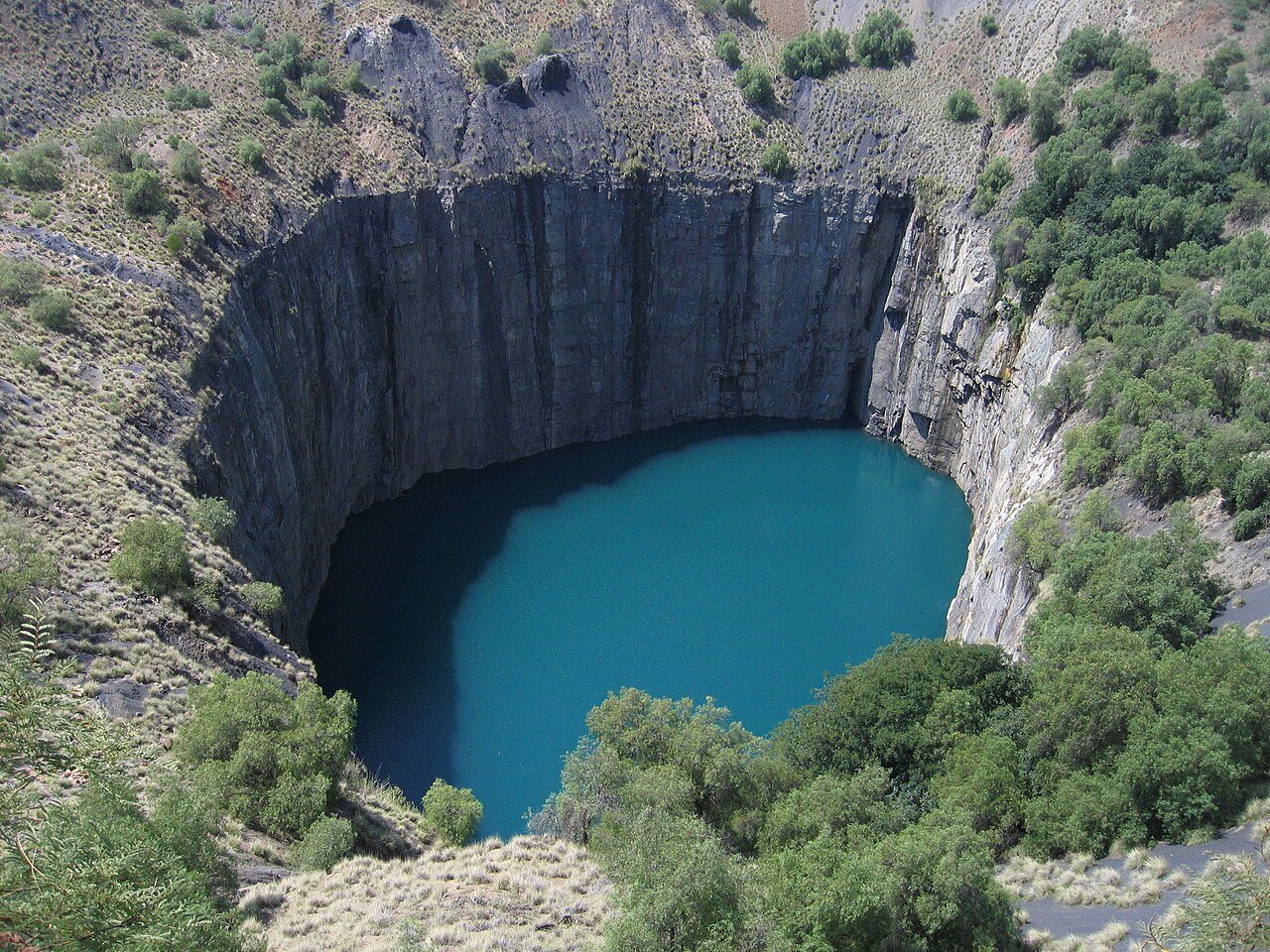
The brothers sold the farm that year for £6,000, by the usual account, and left. They had good reason. Within weeks thousands of diggers had pegged out claims a few metres square on the kopje, and the hill was being taken apart by hand. The place became the Kimberley mine. The digging went on, deeper and deeper, until 1914, by which time the hill had become the Big Hole, more than 200 metres deep before it flooded, and had yielded something like 2,700 kilograms of diamonds.
The deal that made a monopoly
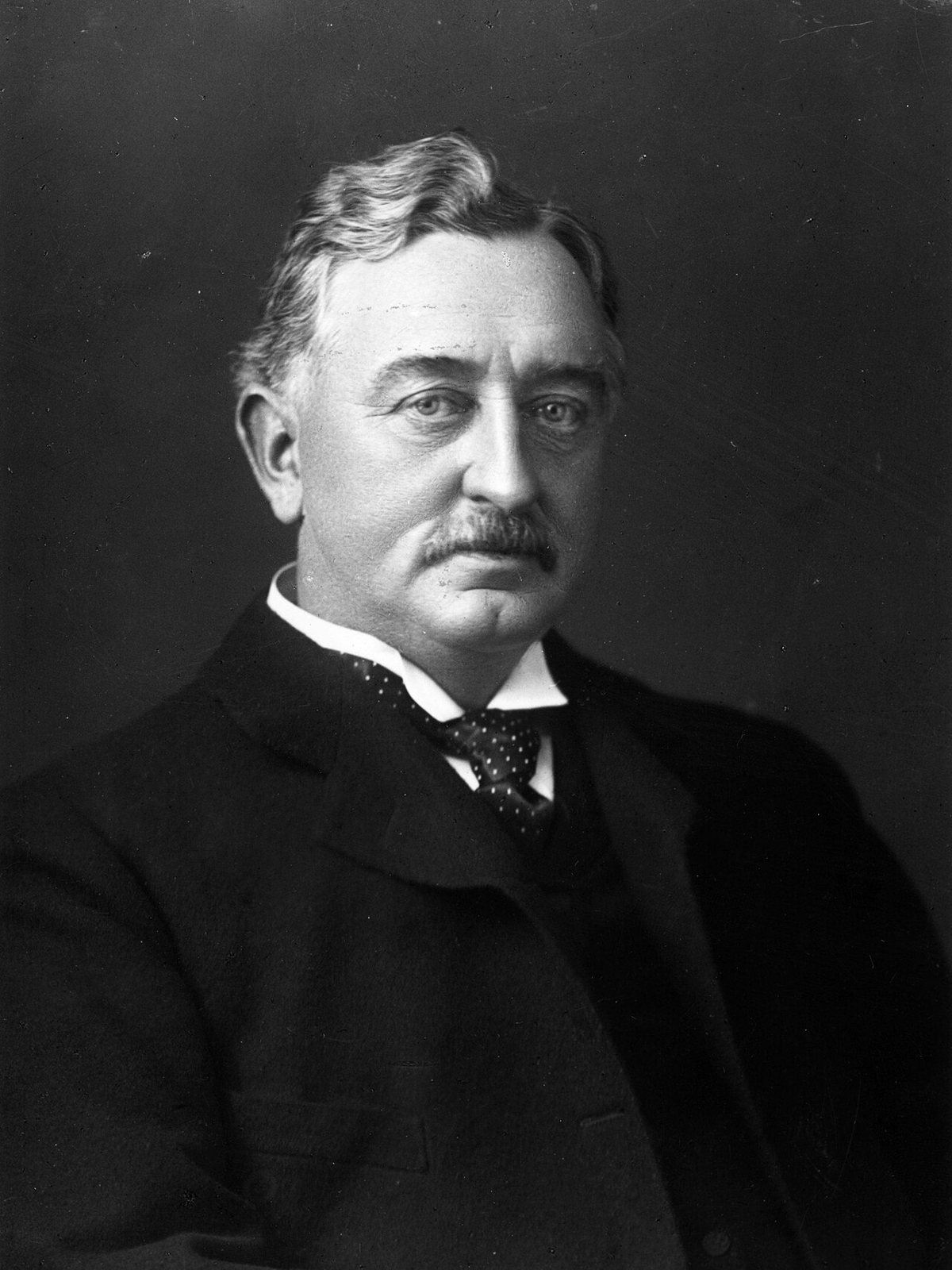
Rhodes won the fight by having bigger friends. With backing from the London bank of N M Rothschild, he bought up Kimberley Central shares and a stake held by a French company, and squeezed Barnato until merger was the only sensible way out. De Beers Consolidated Mines was registered on 12 March 1888. Barnato got a fortune, a seat on the board and a life governorship. He did not enjoy them for long. In 1897 he went overboard from a ship bound for England and drowned, and whether he fell or jumped has been argued about ever since. The trust deed Rhodes insisted on allowed the new company to do almost anything, including acquiring territory and raising armed forces, which tells you a good deal about what he had in mind for it. Within a few years he was prime minister of the Cape Colony and his British South Africa Company was taking the land that would be named Rhodesia.
The 1889 cheque cleared the last of Kimberley Central. From then on De Beers controlled nearly all of South Africa's diamond output, and with a London syndicate of buyers it set the price of rough diamonds worldwide by deciding how many reached the market. That system, in one form or another, lasted more than a hundred years. The company's American advertising agency later added the other half of the trick, persuading buyers that a diamond was something you kept rather than resold. Its 1947 slogan, "A diamond is forever", is still in use, and I would argue it did more to hold up prices than any mine the company ever closed.