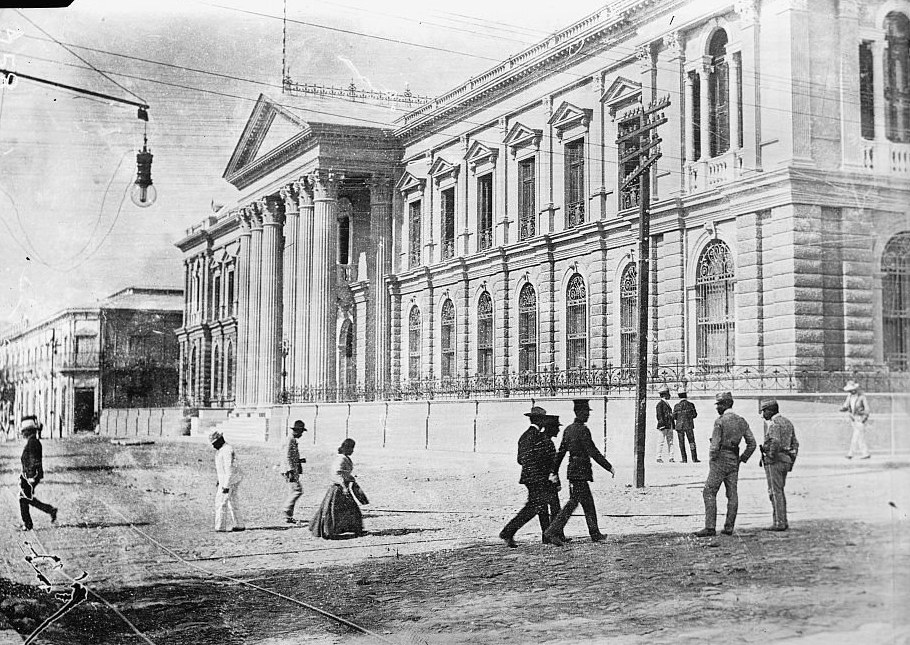
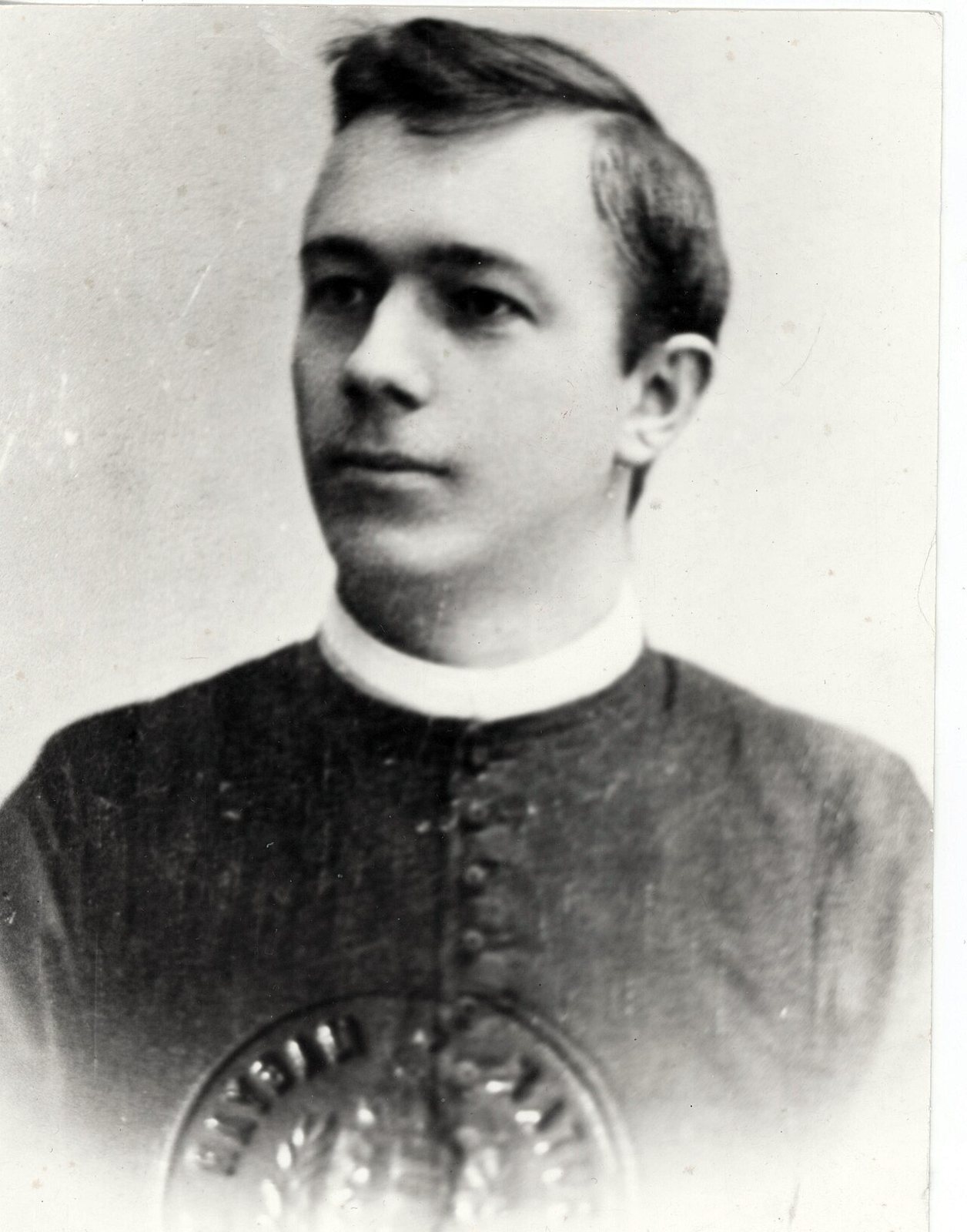
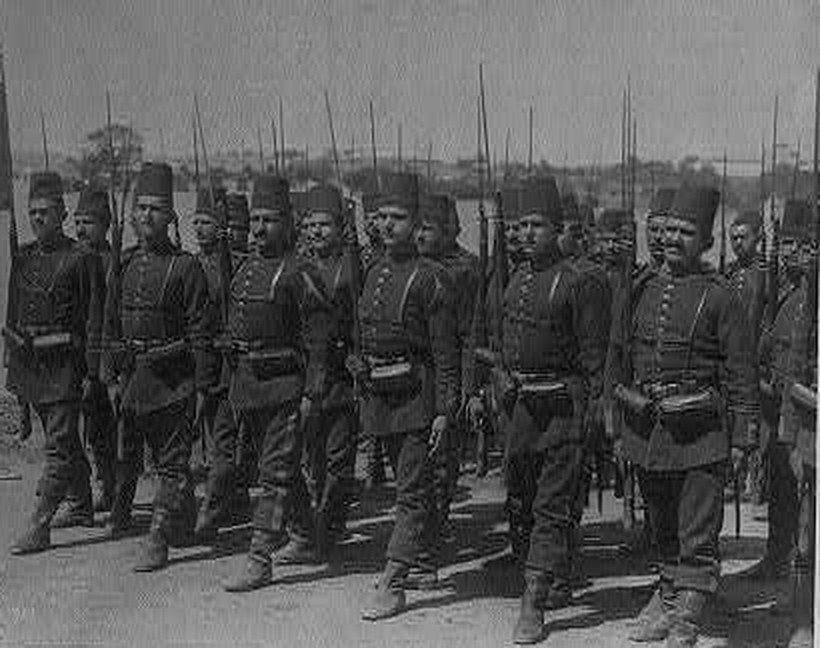
Photo: Harris & Ewing, about 1911, Library of Congress Prints & Photographs Division, no known restrictions
Between 1934 and 1944 El Salvador changed its rules three times for the same man. First he stepped aside for a few months so he could run again without breaking the constitution, then the constitution was replaced, and in 1944 the replacement was amended. Each time the man was General Maximiliano Hernández Martínez, and each time it worked, until the spring of 1944.
On Thursday Nayib Bukele went to the Supreme Electoral Tribunal in San Salvador, on the last day of the filing period, and registered as a candidate in the election of 28 February 2027, with his vice president Félix Ulloa on the ticket again. It will be his third consecutive run. A constitutional reform passed in a single session on 31 July 2025 allows indefinite re-election, lengthens the term from five years to six, scraps the runoff and brought the vote forward to 2027. "Haremos historia, otra vez," he told reporters: we will make history, again.
The general who came in through the side door
Martínez did not win power. In 1931 he was vice president and war minister to Arturo Araujo, a reformist landowner elected that year in what was, by the standards of the time, a fair vote. On 2 December 1931 younger officers overthrew Araujo, and two days later the vice president was acting president. Whether Martínez organised the coup or merely waited for it is still argued over.
Washington at first refused to recognise him. A 1923 treaty among the Central American states, which the United States backed, ruled out recognising governments that came to power by force. It held for about two years. In early 1934 the neighbours and then the United States gave way, and the treaty was soon abandoned.
He was an odd figure even then, a theosophist who gave radio talks on spiritual matters and, according to a line repeated in almost every account of him, said that it was a greater crime to kill an ant than a man, because a man is reincarnated and an ant dies forever. During a smallpox outbreak he is said to have had coloured lights strung up around the capital in the belief that they would cure it. The story turns up in most accounts of his rule, but I have not found a record of it from the time, so I pass it on with that warning.
None of this made him gentle. In January 1932 a peasant uprising in the coffee country of western El Salvador was put down with killings that Salvadorans still call La Matanza, the massacre. Estimates of the dead run from about 10,000 to 40,000, many of them Indigenous. The communist organiser Farabundo Martí was shot by firing squad on 1 February.
Three ways to stay
The 1886 constitution allowed a four-year term and no immediate re-election. In 1934 Martínez handed the presidency to a loyal general, Andrés Ignacio Menéndez, stood in the 1935 election as the only candidate and was back in office on 1 March 1935. In January 1939 a constituent assembly wrote a new constitution with a six-year term and a clause exempting its own choice from the ban on re-election; it then chose Martínez, for 1939 to 1945. Early in 1944, with that term running out, the rules were reformed again and he was given a third.
On paper all of it was legal, and a compliant assembly was there to vote whenever a vote was needed. That made it very hard to argue with, until people stopped arguing and stopped working instead.
Palm Sunday and the strike
On Palm Sunday, 2 April 1944, part of the army rose against him. The revolt was crushed within two days, and about thirty people were shot afterwards, officers and civilians among them. The executions turned much of the capital against the regime.
What finished Martínez was not an army. At the end of April university students and doctors walked out. Within a week shops, offices and much of the transport in the capital had stopped, in what became known as the huelga de brazos caídos, the strike of folded arms. On Sunday 7 May a police officer shot a teenager named José Wright, from a family with American connections, in the back. Historians of the episode generally agree that the death of a boy with an American surname frightened the government more than the strike had, because it risked drawing in the United States. The next evening Martínez went on the radio and announced he was resigning. On 11 May he left for Guatemala.
A farm in Honduras
He lived for another twenty-two years, most of them in Honduras, where he farmed. On 15 May 1966, at the Hacienda Jamastrán, he was stabbed to death by his taxi driver, a man named Cipriano Morales.
Bukele's critics have been making the comparison with Martínez for years. His supporters reply, with some justice, that Martínez never had to beat anyone at the ballot box.
Enjoyed this story?Get a new one every day on social.