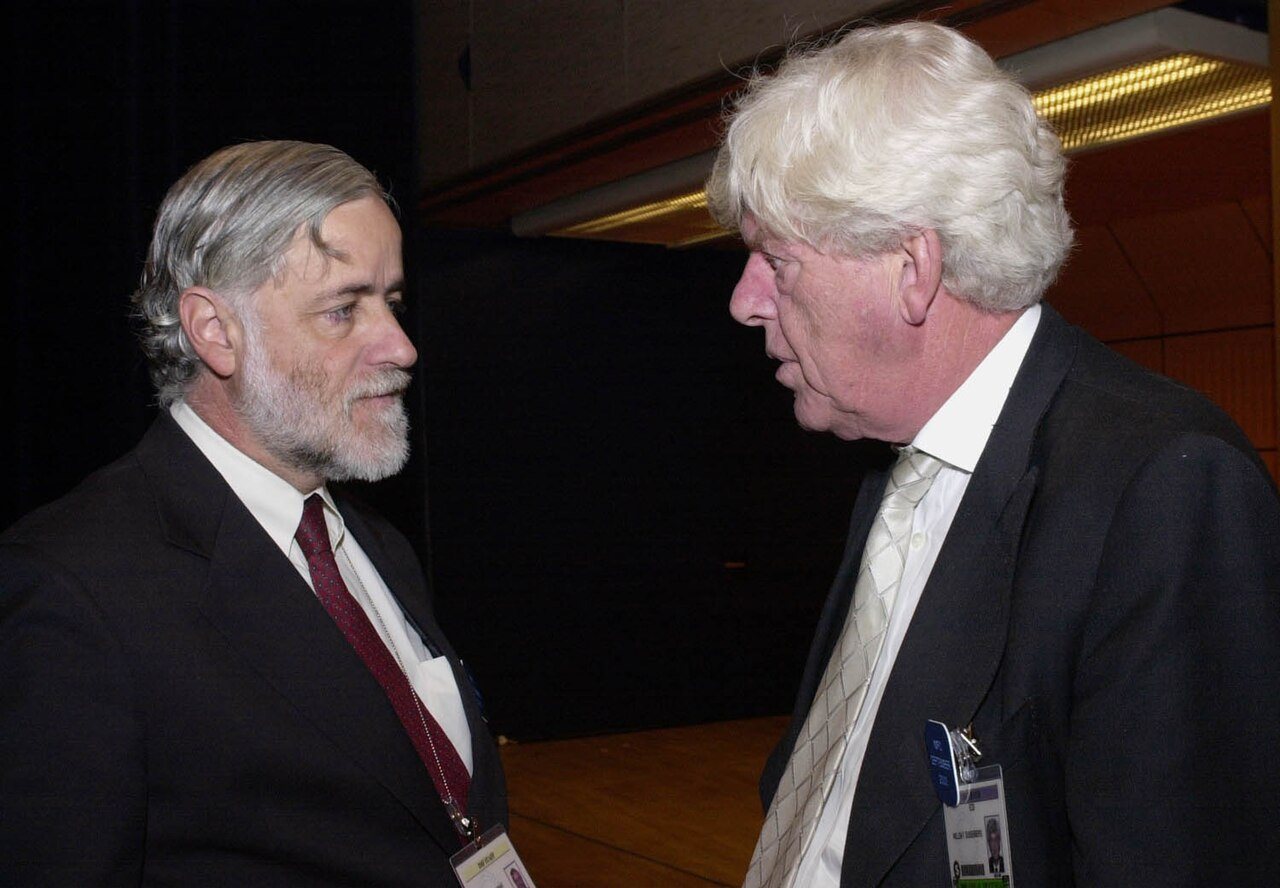
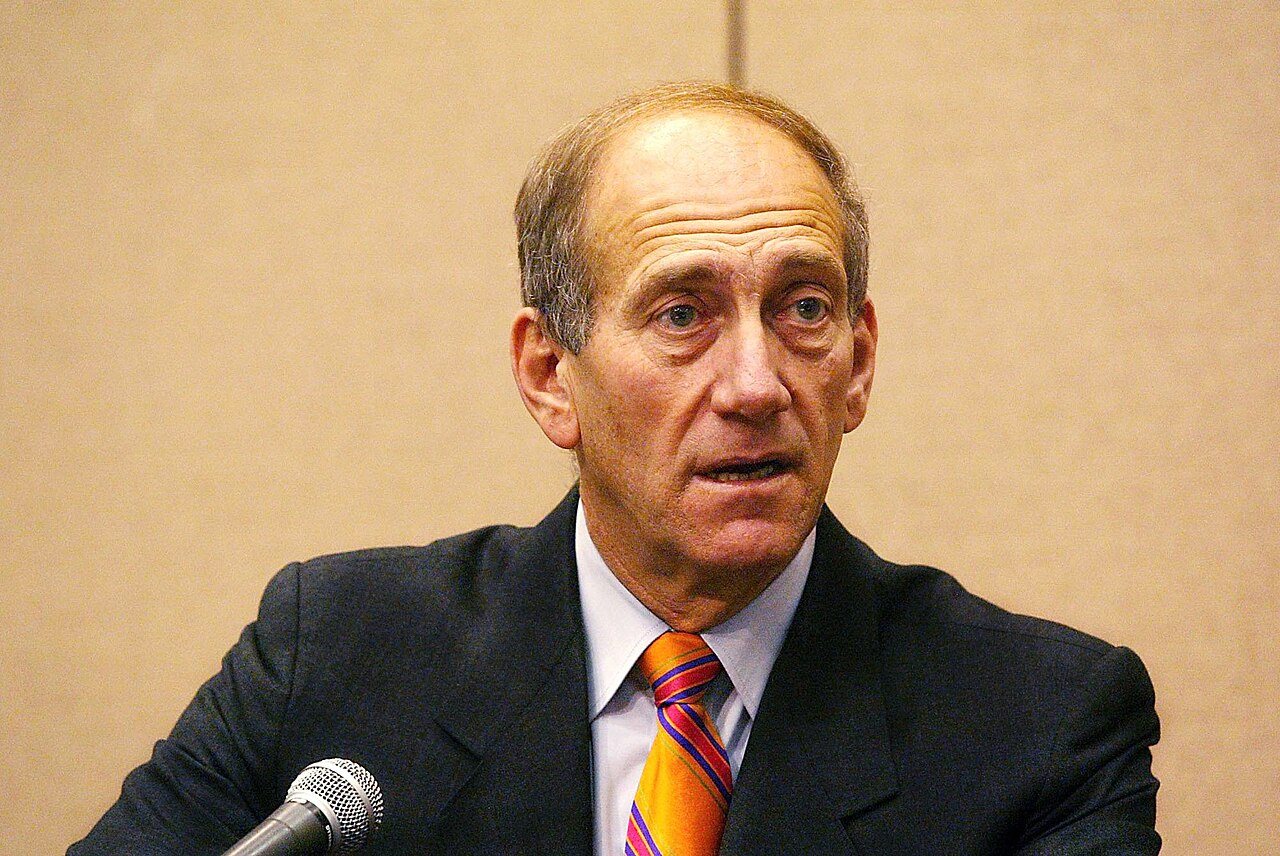
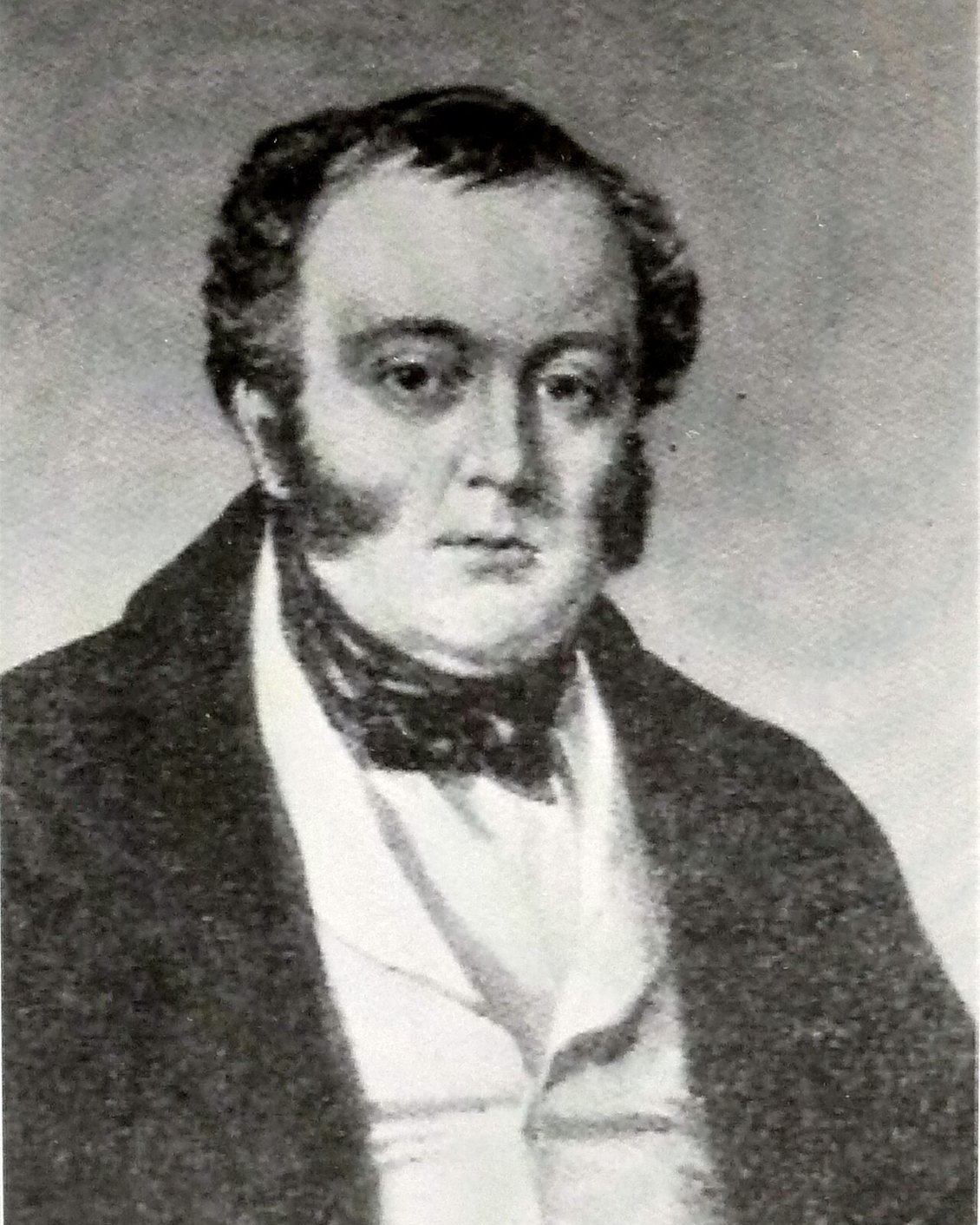
Photo: International Monetary Fund, public domain, via Wikimedia Commons
The question I was asked most on Thursday, by people who do not follow central banking and see no reason to start, was why Europe's presidents and prime ministers get to choose a banker at all. On Thursday, November 26, European leaders meeting in Brussels agreed that Pablo Hernández de Cos, the 55-year-old former governor of the Bank of Spain and now general manager of the Bank for International Settlements, will succeed Christine Lagarde as president of the European Central Bank. An EU diplomat speaking for the Irish presidency confirmed the choice, and Emmanuel Macron announced it on X. The European Parliament and the ECB's governing council still have to give their opinions, which in practice are formalities.
De Cos beat the former Dutch central bank chief Klaas Knot, seen as a hawk. He is regarded as a dove, and he backed the bank's 1.85 trillion euro pandemic stimulus in 2020. The same leaders agreed that Markus Brunnermeier of Princeton will replace chief economist Philip Lane in May, and that Laurence Boone will take Isabel Schnabel's seat on the executive board. Lagarde announced on October 30 that she would leave on February 7, nine months before the end of her eight-year term. She said she wanted to speak more freely; the reason given by most reporting is that it lets the choice be made while Macron is still in office, before France votes next spring. Once confirmed, De Cos will be the first Spaniard to run the bank, after a Dutchman, a Frenchman, an Italian and a Frenchwoman.
A bank that existed before its president did
The answer to the question is in the treaty. The ECB's president is appointed by the European Council, meaning the heads of government, which makes the job a political appointment to an institution designed to be free of politicians. The first time this was done, everyone saw what that contradiction looked like up close.
By the spring of 1998 the governors of Europe's central banks had a candidate. Wim Duisenberg, former Dutch finance minister and longtime head of the Netherlands' central bank, was running the European Monetary Institute, the ECB's forerunner in Frankfurt, and the bankers had unanimously put his name to the finance ministers. Helmut Kohl's Germany backed him. France did not.
Chirac wants half
Jacques Chirac wanted Jean-Claude Trichet, governor of the Banque de France, and he would not let go. The two leaders had already sparred over it at a meeting in Poznań in February, where, according to the Irish Times, Chirac floated retirement at 65 for Duisenberg and Kohl suggested five years. In March Kohl called the very idea of splitting the term "absurd." A tentative deal with a 1999 date collapsed after objections from the German finance minister Theo Waigel and Bundesbank president Hans Tietmeyer.
Then came the Brussels summit of May 1 to 3, 1998, chaired by Tony Blair because Britain held the presidency. It was meant to be a celebration: the leaders were there to confirm the 11 countries that would launch the euro. Instead the lunch on Saturday, May 2, ran for about 11 hours, past midnight. Blair told the Commons afterwards that the presidency question "was discussed for 10 hours" and the Irish Times reported he spent much of it holding private "confessionals" with the main players. The formal summit session itself lasted about 40 minutes.
A purely voluntary statement
The compromise was a piece of choreography. Duisenberg was appointed for the full eight years the treaty required, and then read out a statement that, in the Irish Times' report, said: "given my age I do not wish to stay in office for the full term." Chirac called it "a purely voluntary statement," which fooled nobody. Lawyers kept any date out of the text. Chirac told reporters it would be in the first half of 2002; Blair pointed out that Duisenberg would be 67 that year. The Frankfurter Allgemeine wrote that Kohl had come home with a mandate cut in half.
A rough first term for a half-term president
The deal left a mark on the man. Duisenberg took office on June 1, 1998, and on January 1, 1999 the euro began life as a currency for banks and markets, worth about $1.17. It then fell almost without pause. By the autumn of 2000 it had dropped well below 90 cents, and in September of that year the ECB, the US Federal Reserve and the Bank of Japan stepped into the markets together to prop it up. Duisenberg's critics in the press liked to suggest that a president everyone knew was leaving early carried less weight with traders than a president who would be there for the whole term. That is hard to prove either way (exchange rates move for a hundred reasons, and the dollar was strong that year against nearly everything), but the suspicion followed him around.
When euro notes and coins finally reached people's pockets on January 1, 2002, it was Duisenberg who held up the new banknotes for the cameras.
Four years became five and a half
In the end the voluntary statement was honoured, slowly. Duisenberg said in 2002 that he would step down in July 2003. Then the handover slipped, because Trichet was a defendant in the Crédit Lyonnais affair in Paris, a trial over the state bank's accounts. He was acquitted in June 2003 and took over at the ECB on November 1, 2003. Duisenberg had served about five and a half years, and Trichet then served a full eight.
What 1998 explains about this week
Read against 1998, Thursday's choice is less surprising than it looks. The treaty still makes the ECB presidency a decision for heads of government, so the timing still follows national politics. In 1998 a French president stretched a summit to get a Frenchman a share of the term. In 2026 a French president's calendar has helped shorten the term of the last French holder, so that he can have a say in the next one before he leaves office. De Cos is not Macron's compatriot, and his selection was swift and quiet by comparison, which suggests leaders learned something from the 1998 embarrassment. There is a small symmetry in the names, too. The first president was a Dutch central banker who had to accept a shortened term to get the job; the runner-up this week, Klaas Knot, is a Dutch central banker who did not get it at all, and nobody seems to have offered him half.
They will meet a hard test immediately: eurozone inflation is at 4 per cent against a 2 per cent target, and the bank may still raise rates in December, before he arrives. My own view is that a post filled by heads of government will never be free of their calendars, and 1998 was simply the year nobody bothered to hide it.
Enjoyed this story?Get a new one every day on social.