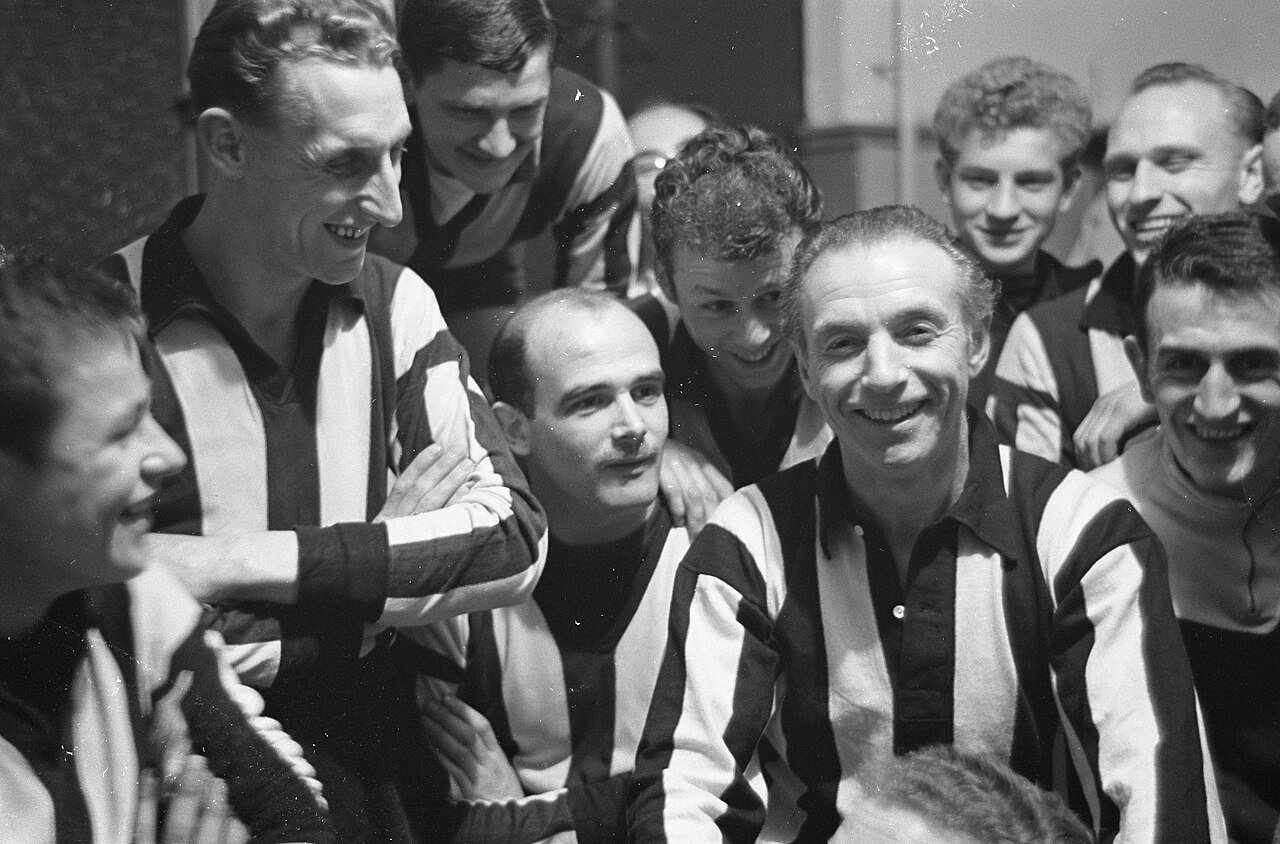
Photo: Andrzej Otrębski, CC BY-SA 3.0, via Wikimedia Commons
The European Commission's 22nd sanctions package against Russia, unveiled on Monday, November 23, has a section no previous package had. It would bar Russian teams, athletes competing under the Russian flag and official Russian symbols from every sports event held inside the European Union, and stop Russians from donating money to, or holding posts in, sports federations based in Europe. "Sports events can not be a forum for propaganda activities," Ursula von der Leyen said in a video statement.
The proposal also cuts 60 more Russian banks off SWIFT and targets more than 70 shadow-fleet tankers. It still needs the agreement of the member states, and Brussels says it wants a deal in December. The sports clause is a direct answer to the International Olympic Committee, which in July lifted its suspension of Russian athletes ahead of the 2028 Los Angeles Games and set off an outcry across Europe.
Sanctions written to keep a country's teams out of sport are rare. The nearest precedent is 34 years old, and most people remember it only because of what it did for Denmark.
Resolution 757, paragraph (g)
On May 30, 1992, with the war in Bosnia in its second month, the UN Security Council voted 13 to nothing, with China and Zimbabwe abstaining, to impose sweeping sanctions on the rump Yugoslavia of Serbia and Montenegro. Resolution 757 banned trade, flights and financial dealings. Tucked into the list, after aircraft maintenance and before cultural exchanges, was a line instructing every state to "prevent the participation of persons and teams representing Yugoslavia in sporting events hosted on their territory."
It is a strange line to read now, because it is almost exactly what the Commission is proposing. The difference is scale. Resolution 757 bound every UN member. The new EU text would apply in 27 countries, which happen to host a large share of the world's football, tennis and winter sport.
A squad in Sweden, sent home
The timing in 1992 was brutal. Yugoslavia had won its Euro 92 qualifying group and the team had already travelled to Sweden for the finals, which opened on June 10. On May 31, the day after the Security Council vote, UEFA excluded them. The players went home with the tournament ten days away.
UEFA needed a replacement and took the runner-up in Yugoslavia's group, Denmark. The Danish players had mostly scattered for the summer. The well-worn story is that they were called off the beach; the coach, Richard Møller Nielsen, is supposed to have been halfway through redecorating his kitchen. (I have seen the kitchen version told so many ways that I treat it as folklore with a true core: nobody in Denmark expected to be playing.)
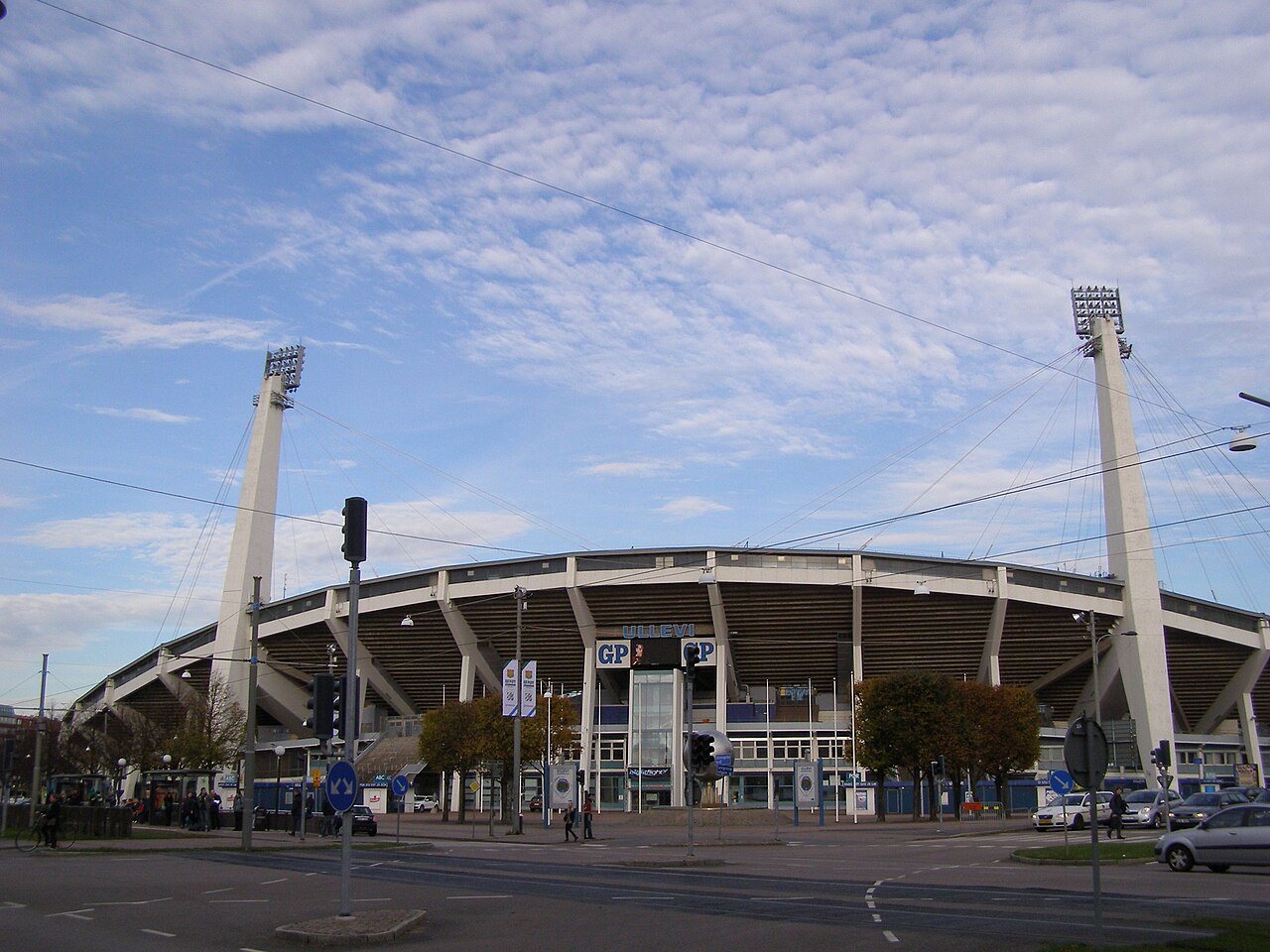
They drew with England, lost to Sweden, beat France, knocked out the Netherlands on penalties in the semi-final, and on June 26, at the Ullevi stadium in Gothenburg, beat Germany 2-0 in the final. A team that had not qualified won the championship.
The bill for Belgrade
For Yugoslav football the cost ran far past one tournament. The team was shut out of qualifying for the 1994 World Cup and did not take part in the qualifiers for Euro 96 either. Red Star Belgrade, who had won the European Cup in 1991, had already been playing their European home games abroad because of the war, and Yugoslav clubs then vanished from European competition too. The Security Council eased the sporting and cultural bans in September 1994, and it took until the 1998 World Cup in France for the national team, now playing as FR Yugoslavia, to reach a major finals again.
A generation of players lost its best years. That is the part of the 1992 story that gets told less often than the Danish fairy tale, and it is the part Moscow's sports officials will point to when they argue that bans punish athletes for what governments do. The argument for a ban, then and now, is the one von der Leyen made this week: a national team is the state's shop window, and a state at war should not get to use it. The council held that line for more than two years before it eased anything.
Athletes without a flag at Barcelona
The Olympic movement took a softer line a few weeks later. The Yugoslav Olympic Committee was not invited to the Barcelona Games, but its athletes were allowed in as individuals. Fifty-eight of them competed as "Independent Olympic Participants" under the Olympic flag, 52 from Serbia and Montenegro and six from Macedonia, whose own Olympic committee did not yet exist. Three won medals, all in shooting.
That compromise is the template the IOC used for Russians at Tokyo, Beijing and Paris, under various labels. It is also what the EU now wants to close off. The Commission's wording targets athletes competing under the Russian flag and Russian symbols, so the legal fight will probably be over whether a neutral athlete with a Russian passport counts. The text published so far does not say, the member states have not yet voted, and the IOC has not said what it will do if a European host country turns away a team it has cleared for Los Angeles.
Enjoyed this story?Get a new one every day on social.