Drones Hit the Crimean Bridge. The 1944 Kerch Bridge Lost to Ice
Four and a half kilometres long, about three metres wide, with 115 spans, four of them movable so that ships could pass: that was the first bridge ever to cross the Kerch Strait. The first train went over it on 3 November 1944. By the end of February 1945 the sea ice had pushed dozens of its spans into the water, and in May the Soviet government gave up on it.
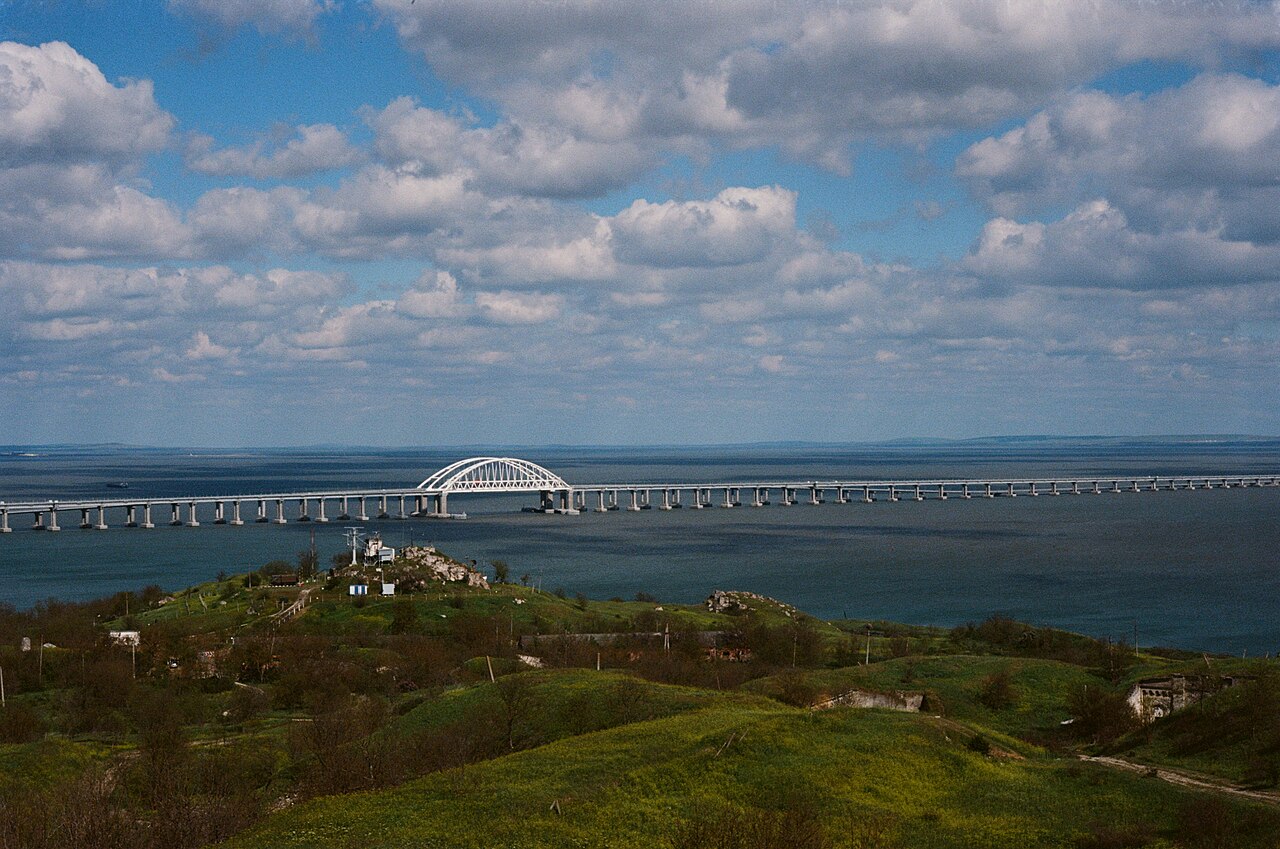
The strait has a bridge again, and it is in the news again. Early on 16 November, Ukrainian drones hit the Crimean Bridge, the 19-kilometre road and rail link that Russia opened in 2018 after annexing Crimea. Sergei Aksyonov, the Moscow-installed head of the peninsula, confirmed the attack. Kremlin spokesman Dmitry Peskov said "minor damage" was being assessed. The Telegram channel Mash claimed that a warhead had struck one of the arches over the shipping channel and shifted it by about 15 degrees, which Russian officials have not confirmed. Rail traffic kept moving, but the road was shut for at least 12 hours and, again according to Mash, around 2,000 cars queued on both sides. Russia's Defence Ministry said it had shot down 2,049 drones and four missiles in a single day.
The ferry years
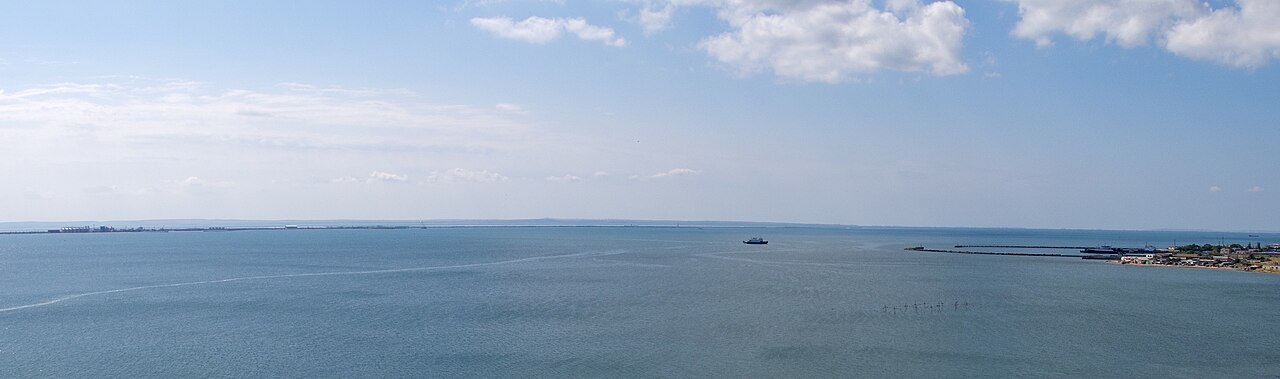
Moscow did not give up on the idea straight away. A new road and rail bridge was decreed in 1949, and work stopped in 1950. A ferry line was set up instead, and for the next six decades or so the way across the Kerch Strait was by boat. The crossing ran from Port Krym on the Crimean side to Port Kavkaz on the Chushka Spit, and its ferries carried whole railway wagons as well as cars and passengers. In a bad winter the ice still closed it, which tells you something about what the 1944 bridge had been up against.
For most of the Soviet period nobody much minded. Crimea and the Kuban were both in the same country, and after 1954 the peninsula was administered from Kyiv rather than Moscow, a detail that made little practical difference until the Soviet Union broke up in 1991.
After annexing Crimea in 2014, Russia built the current bridge, on a different alignment and on a far bigger scale, with ice protection that its 1944 ancestor never got. Cars started crossing in 2018 and trains at the end of 2019.
Ice has not been the problem. In October 2022 a truck bomb brought down several road spans. In July 2023 Ukrainian naval drones struck it again, killing two people from Russia's Belgorod region. In June 2025 Ukraine said it had set off explosives against the underwater supports, which Russia said had done no damage. By the evening of 16 November, the governor of Krasnodar region had announced that warming stations and portable toilets were being set up for the drivers stuck at the approaches.