Photo: Carol M. Highsmith, 2021, Library of Congress Prints & Photographs Division, no known restrictions
Ninety-eight to one. That was the Senate vote on 25 October 2001, and the next morning, twenty-five years ago today, George W. Bush sat down in the East Room of the White House and signed the USA PATRIOT Act into law. The bill ran to 342 pages. It had been introduced in the House two days earlier, passed there the following afternoon by 357 votes to 66, and gone to the Senate the same night. Hardly anyone on either side of the Capitol had read the whole thing, and several members said so at the time.
The name is an acronym, built backwards from the word somebody wanted: Uniting and Strengthening America by Providing Appropriate Tools Required to Intercept and Obstruct Terrorism. A congressional staffer is usually credited with it. Lawyers have been arguing about what the letters authorised ever since.
Six weeks after the towers fell
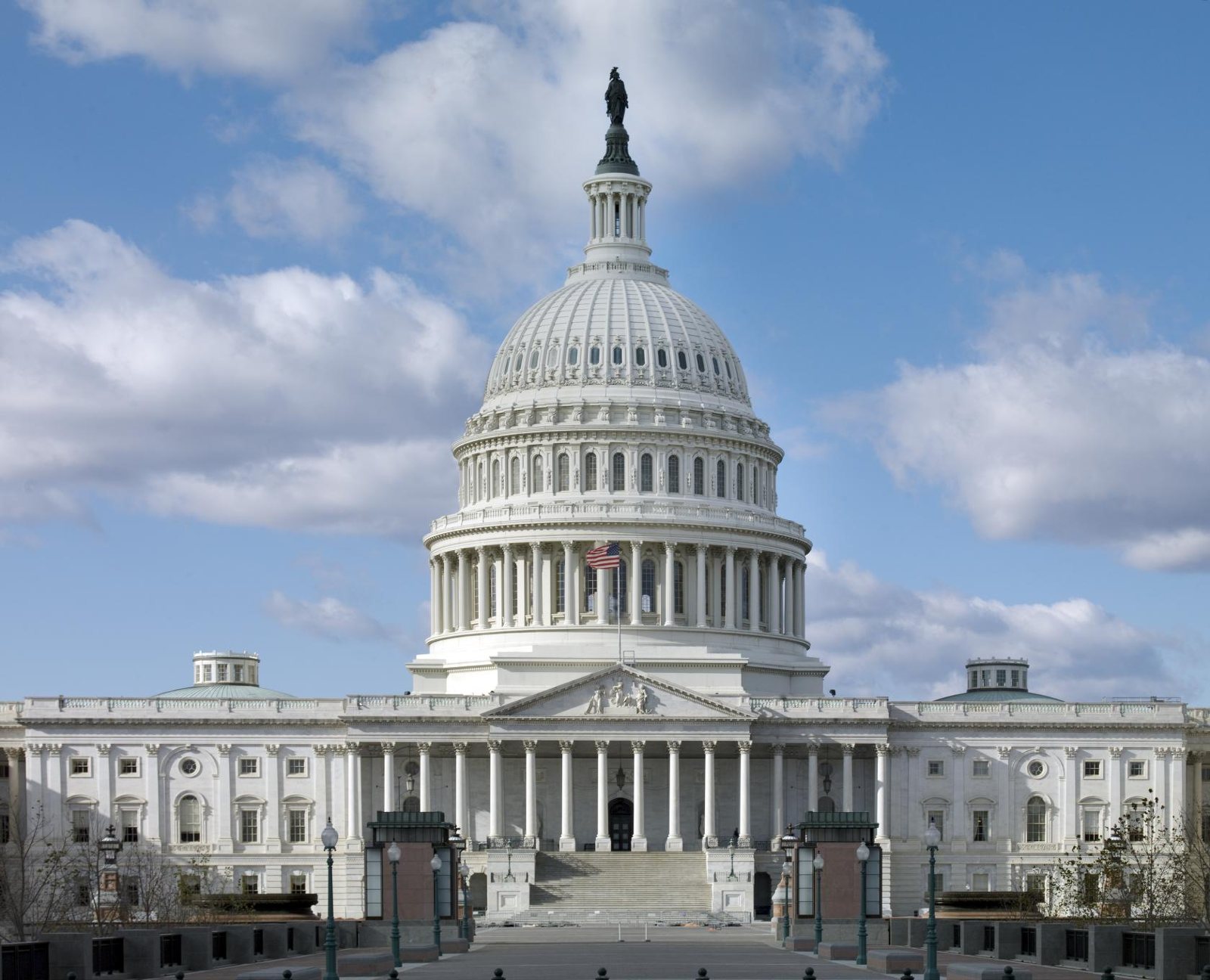
The east front of the United States Capitol, Washington, D.C. Photo: Carol M. Highsmith, 2008, Library of Congress Prints & Photographs Division, no known restrictions
It is easy now to forget how frightened Washington was that month. The attacks of 11 September had killed close to 3,000 people. On 15 October a letter laced with anthrax spores was opened in the office of Senate Majority Leader Tom Daschle, and two days later the Hart Senate Office Building was closed. Senators were working out of borrowed rooms while they voted on the bill. Attorney General John Ashcroft had sent his draft to Congress on 19 September and asked for it to be passed within a week.
Congress did not quite manage a week, but it came close. The House Judiciary Committee under Jim Sensenbrenner had worked up a more careful version with sunset clauses, and that version was passed unanimously in committee, then set aside by the leadership for a text negotiated with the administration overnight. Members were handed the new bill the morning of the vote. Sensenbrenner's sunsets survived, in part: a list of the most contested provisions was set to expire at the end of 2005 unless renewed.
What was actually in it
Most of the law was unglamorous. It tightened money-laundering rules, gave immigration officers more power to detain non-citizens, and let the FBI share grand jury information with intelligence agencies. Three pieces drew most of the fire later.
Section 213 allowed "delayed notice" search warrants, which critics called sneak-and-peek: agents could search a home or office and tell the owner afterwards. Section 206 allowed roving wiretaps that followed a person rather than a particular phone. And Section 215 let the FBI obtain "any tangible things," including business records, with an order from the secret Foreign Intelligence Surveillance Court, so long as the records were sought for an investigation to protect against terrorism. The person whose records were handed over did not have to be a suspect, and the business that handed them over was forbidden to say so.
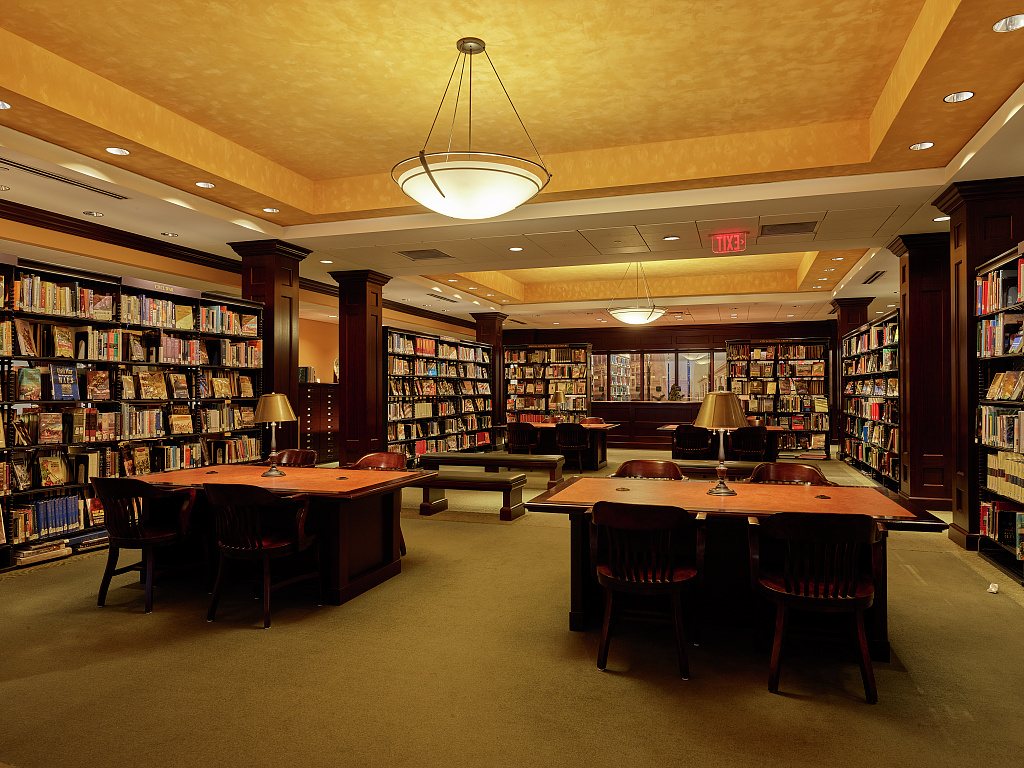
Section 215 never mentions libraries. But "any tangible things" plainly covered borrowing records, and librarians noticed first.
The librarians
The American Library Association passed a resolution against the law in January 2003. Some libraries began shredding their sign-in sheets at the end of each day. A few posted a sign at the desk that I still think is the sharpest piece of civil-liberties writing of the decade: "The FBI has not been here. (Watch very closely for the removal of this sign.)" The idea was simple enough: the gag order made it a crime to say the FBI had come, but no law could make a librarian keep saying it hadn't.
Ashcroft was irritated enough to give a speech in September 2003 calling the concern "baseless hysteria" and declassifying the fact that Section 215 had, to that date, never been used. That was true as far as it went. The FBI was using a different tool, the National Security Letter, which the Patriot Act had expanded in Section 505 and which needed no judge at all.
In July 2005 one of those letters arrived at Library Connection, a consortium of more than two dozen libraries in Connecticut, demanding patron records from a particular computer. Its executive director, George Christian, and three board members, Peter Chase, Barbara Bailey and Janet Nocek, refused and sued, with the ACLU, as "John Doe." For nearly a year they were barred from telling anyone, including the Congress that was at that moment debating whether to renew the law, that they were the people in the lawsuit. The government dropped the gag in 2006, then dropped the demand for the records. The four were given a civil-liberties award and went back to work.
What the phone records order showed
Congress renewed the expiring provisions in 2006, with a few more safeguards, and again in 2011, when Barack Obama signed the extension by autopen from France minutes before the deadline. Then in June 2013 Edward Snowden handed journalists a Foreign Intelligence Surveillance Court order showing what Section 215 had become. Since 2006 the government had used it to collect the phone records of essentially every call in the United States, in bulk, on a rolling 90-day basis. Not the content, but who called whom, when, and for how long. That was a long way from a library sign-in sheet.
How Section 215 finally died
The programme's defenders said it had been approved by judges and briefed to Congress; a federal appeals court said in 2015 that the statute did not authorise it. Congress passed the USA Freedom Act in June 2015, ending bulk collection and making the phone companies keep their own records. The provisions lapsed for about a day in the process, because Rand Paul talked them past midnight.
Section 215 finally expired on 15 March 2020, as the pandemic was closing Washington down, because Congress could not agree on how to renew it. It has not come back. The roving-wiretap and lone-wolf provisions expired with it. The surveillance fight has since moved to Section 702 of a different law, the 2008 FISA Amendments Act, which Congress spent much of 2026 arguing over; according to the Brennan Center, that collection can continue under existing court certifications into March 2027 whatever Congress does. Most of the rest of the Patriot Act, the money-laundering rules and the information-sharing among them, never had a sunset in the first place, and is simply the law now.
The one
The one senator was Russ Feingold of Wisconsin. His speech on the floor is worth reading in full; the part most people remember is his warning that the country could lose the new war without a shot being fired if it gave up the liberties it was fighting for. He lost his seat in 2010 and lost again trying to get it back in 2016. Of the 66 House members who voted no, 62 were Democrats, three were Republicans, and one was Bernie Sanders.
My own view, for what it is worth, is that the people who read the bill most carefully in October 2001 were not in Congress. They were behind the desk at the public library, and they were right about what the words would come to mean.
Enjoyed this story?Get a new one every day on social.