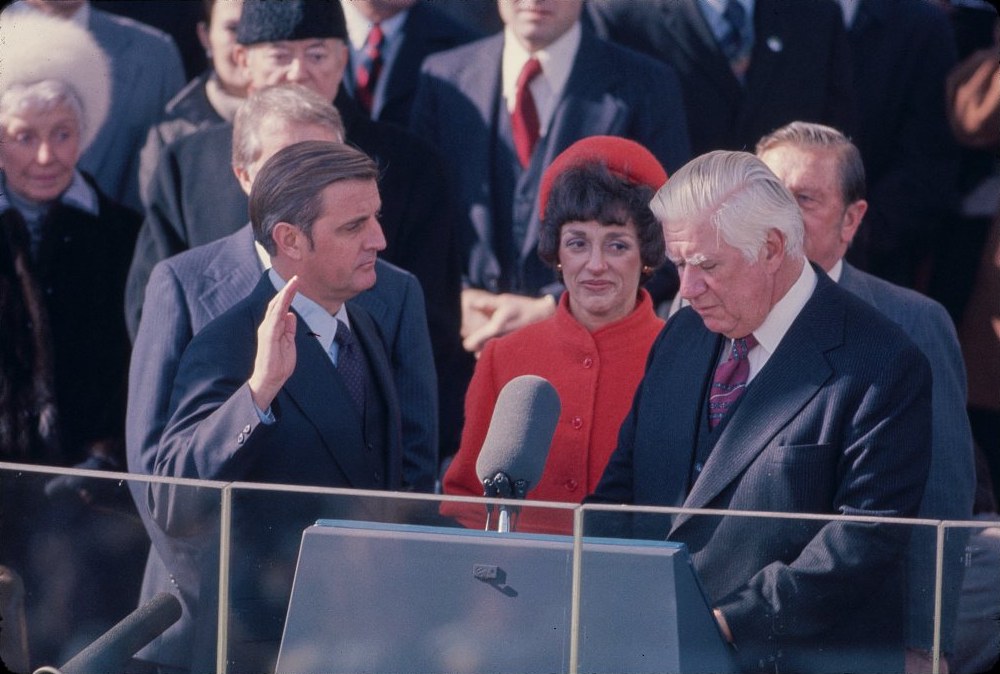
Photo: White House photograph, public domain, via Wikimedia Commons
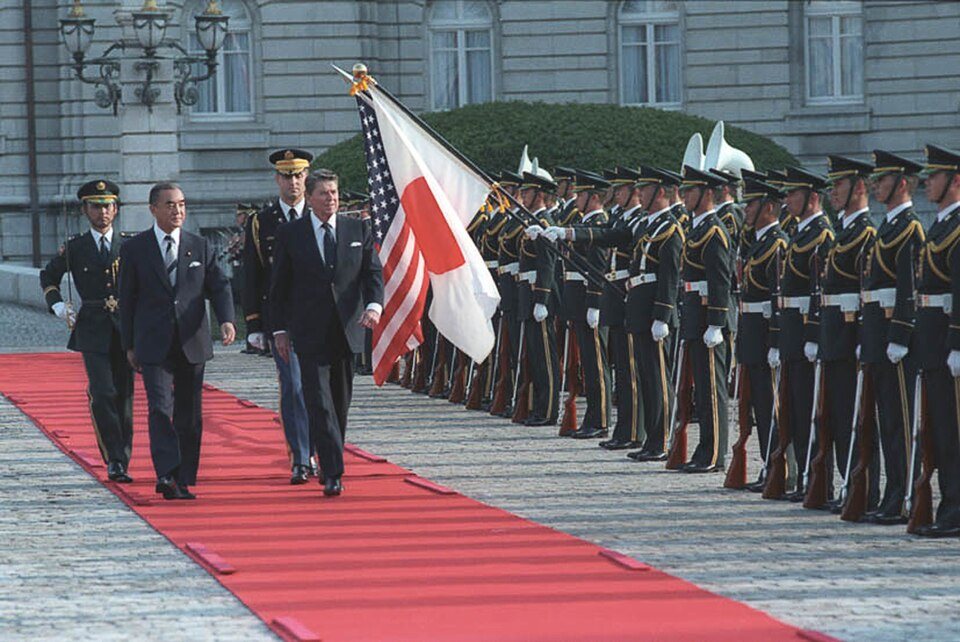
"Effective with respect to the covered products of Japan which are entered on and after April 17, 1987." That is the dry line in a Ronald Reagan memorandum that put a 100 percent tariff on as much as $300 million of Japanese goods, the first time in the postwar alliance that Washington had slapped sanctions of that size on Tokyo. The legal authority cited at the top of the memo was Section 301 of the Trade Act of 1974.
On Wednesday, November 25, the office of the US Trade Representative reached for the same section. It published findings and proposed tariffs in 14 Section 301 investigations covering China, the European Union, Japan, South Korea, India, Taiwan, Vietnam, Singapore, Switzerland, Indonesia, Malaysia, Cambodia, Thailand and Bangladesh. The proposed rates run from up to 15 percent for Japan and Korea to as much as 35 percent for Vietnam, with an extra 20 percent on most covered Chinese goods. Trade Representative Jamieson Greer said the partners "tilt the trade balance in their favor while eroding America's manufacturing base." Written comments are due January 5, 2027, and Greer told CNBC he did not expect any of it to take effect for "a couple months."
Why the old law is back in use
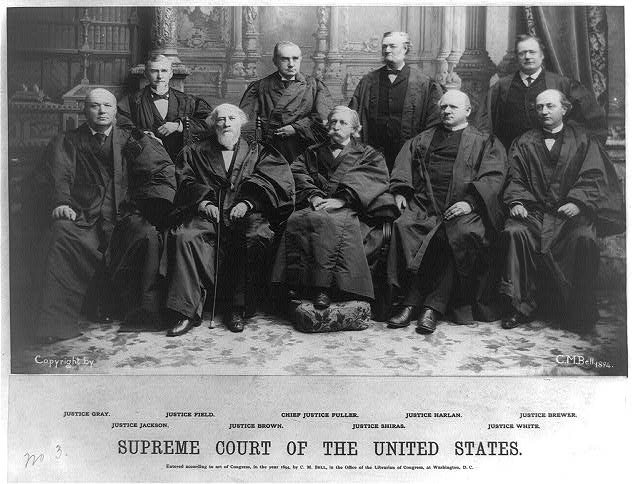
Section 301 lets the trade representative investigate a foreign country's practices and, if they are found unfair, retaliate. For most of the 2020s it sat in the background while the administration leaned on emergency powers. That changed in February 2026, when the Supreme Court blocked the sweeping tariffs imposed in 2025 under the International Emergency Economic Powers Act and the government had to issue refunds. The trade office opened new 301 cases within weeks.
Kathleen Claussen of Georgetown Law told Time there have been seven Section 301 investigations in this administration against three under Joe Biden. The theme this time is "excess manufacturing capacity," which is a broader charge than anything Reagan made. The European Union said it "strongly rejects the premise that Europe is a source of structural overcapacity." Beijing called overcapacity "a false issue."
The chip deal Japan was accused of breaking
The 1987 fight was narrower and, on paper, about a signed agreement. On September 2, 1986, the two governments concluded the US-Japan Semiconductor Arrangement. American chipmakers had spent years complaining that Japanese firms were selling memory chips below cost and that the Japanese market stayed closed to foreign suppliers. Japan agreed to monitor costs and export prices to stop dumping, and to improve access for foreign chips. A side letter mentioned a foreign market share of about 20 percent, a number that Tokyo always insisted was an expectation and not a promise (I have read both sides' accounts and still could not tell you who was right).
Within months, Washington concluded that Japanese chips were still being dumped in third countries such as Hong Kong and Singapore and that access had barely moved. Reagan's memo put it flatly: foreign producers "still do not have access in that market equivalent to that enjoyed by Japanese firms." On March 27, 1987, he announced his intent to retaliate.
What the tariffs actually hit
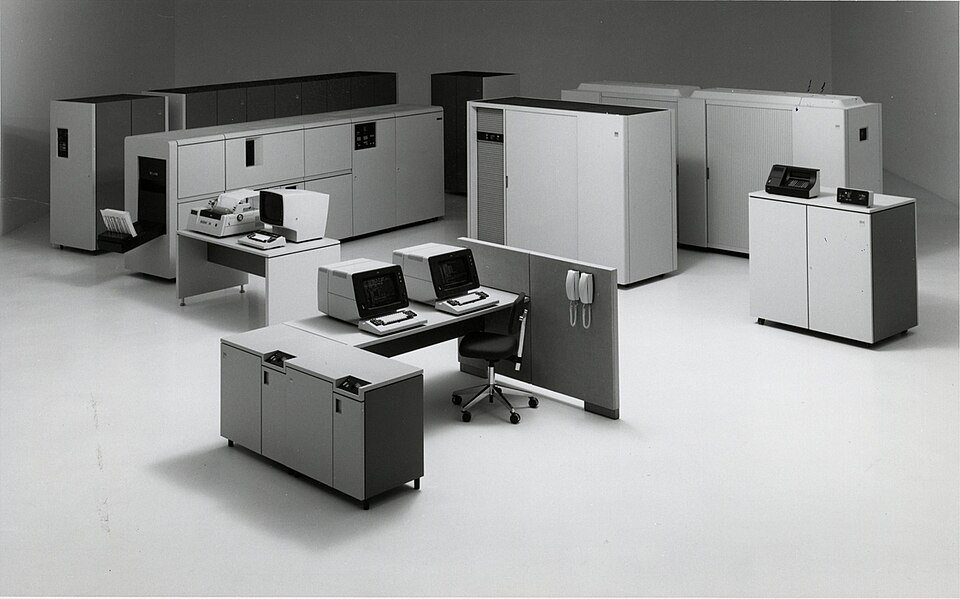
The sanctions did not touch chips at all. The list, chosen in Reagan's words "to minimize the impact on American consumers and businesses," covered color televisions with 18 to 20 inch screens, laptop and desktop computers built on 16-bit or larger microprocessors, rotary drills that were not battery powered, electropneumatic hammers and some hand-held grinders and sanders. The idea was to hurt the big Japanese electronics houses that also made the chips, while leaving Americans able to buy the components their own factories needed.
Reagan sounded almost apologetic. "I regret that these actions were necessary," his statement said, adding that "the health and vitality of the U.S. semiconductor industry are essential to America's future competitiveness." The tariffs would come off, he said, when there was "firm and continuing evidence that the dumping in third-country markets has stopped and that access to the Japanese market has improved."
Two weeks later Prime Minister Yasuhiro Nakasone flew to Washington for a visit that had been planned as a celebration of the alliance and turned into damage control. That summer, after the Toshiba Machine affair (a Toshiba subsidiary had sold sensitive milling equipment to the Soviet Union), a group of Republican congressmen smashed a Toshiba radio with sledgehammers on the Capitol lawn for the cameras. American opinion of Japan in 1987 was roughly where its opinion of China is now.
How it ended, more or less
Parts of the sanctions came off within months, as the third-country dumping complaints eased. The market access argument dragged on into a second chip agreement in 1991. That one, unlike the 1986 text, put the 20 percent figure in the body of the agreement as an expectation both governments would watch, which tells you how much arguing the side letter had caused in the meantime. Japanese memory makers stayed dominant into the early 1990s and then lost ground, mostly to South Korean makers led by Samsung.
Economists still argue over whether the 1986 arrangement helped American chipmakers or simply raised chip prices for American computer makers. Both things probably happened. What is not in dispute is that Section 301 showed it could be used as a club against a close ally, and that the ally negotiated rather than retaliating in kind.
Same law, much bigger list
The comparison with this week's proposal is useful mostly because of the differences. Reagan's case was one country, one product sector and one broken agreement, with a sanctions list of about $300 million. This week's proposal names 14 partners at once, counts the 27 members of the European Union as one, and reaches for a theory of unfair practice, overcapacity, that the targets flatly reject. Japan and Korea, the two countries that went through the chip wars of the 1980s and early 1990s, are both on the list at up to 15 percent.
Capital Economics told CBS News the new rates would replace earlier 301 tariffs rather than stack on top of them, and Claussen suggested the proposals could work as bargaining chips. That was also how the 1987 tariffs were meant to work: as leverage toward a deal Washington wanted enforced. They did keep Tokyo negotiating, which in 1987 was the point.
There is one more echo. In 1987 the tariff list was built to spare American shoppers. A CBS poll after this month's midterms found 66 percent of respondents saying tariffs have hurt the economy, so the people drawing up product lists in Washington this winter will have read that number as carefully as their predecessors read the price of a Japanese television.
Enjoyed this story?Get a new one every day on social.