Spain Votes Sunday With Sánchez Trailing. The Last Rout Came in 2011
On Friday morning Pedro Sánchez sat down in a Cadena SER studio for one last radio interview before Spain's snap general election, and told the presenter: "I can't conceive of us losing." His argument was that his own party's internal numbers show the Socialists (PSOE) taking the most votes, and that a big enough turnout on the left could still deliver him another term with smaller allies. He has been prime minister for eight years.
Almost nobody else's numbers agree. Nearly all the polls published before the legal blackout, which bans new surveys in the last five days of a campaign, showed a clear advantage for a combined majority of Alberto Núñez Feijóo's conservative Popular Party (PP) and Santiago Abascal's far-right Vox. Spaniards vote on Sunday, 29 November, for all 350 seats in the Congress of Deputies, and a government needs 176 to be sure of an investiture. "This time we will pull it off," Feijóo said, a pointed reference to 2023. That July his party won 137 seats, more than anyone else, but his investiture vote in September fell four short, and two months later Sánchez was voted back in with the support of Catalan and Basque nationalists, at the price of an amnesty law for the Catalan independence leaders.
The night the PP won alone
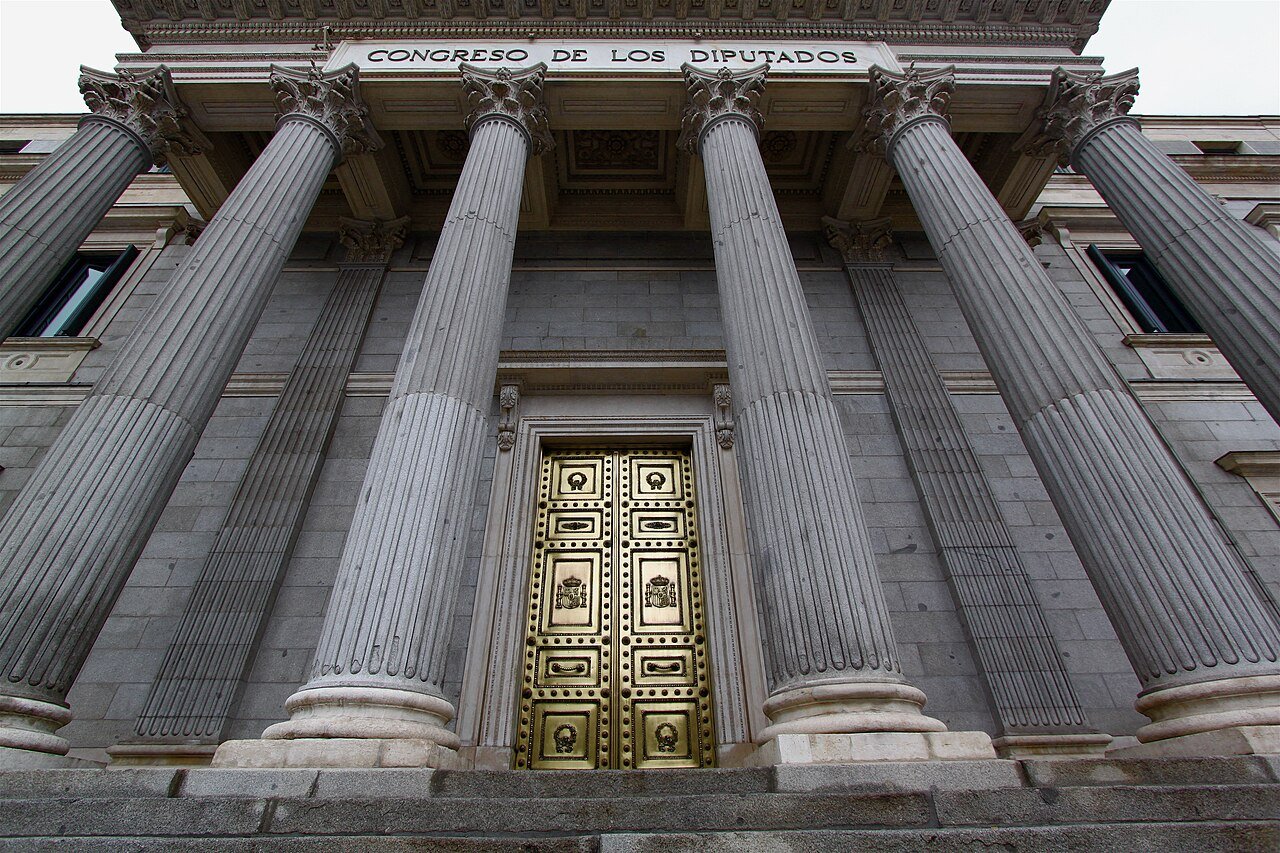
Spain has seen a November election turn a Socialist government out before, within the memory of most of the people voting on Sunday. On 29 July 2011, with unemployment above 20 per cent and Spanish borrowing costs climbing alarmingly, José Luis Rodríguez Zapatero announced he would bring the election forward from the spring of 2012 to 20 November. It had been a bad year for him even before that. In May, thousands of young people camped in Madrid's Puerta del Sol in the protests that became known as 15-M, and in late August and early September his government and the PP pushed a constitutional amendment through parliament capping the structural deficit, under heavy pressure from the European Central Bank. Zapatero did not run again. His former interior minister, Alfredo Pérez Rubalcaba, led the PSOE instead.
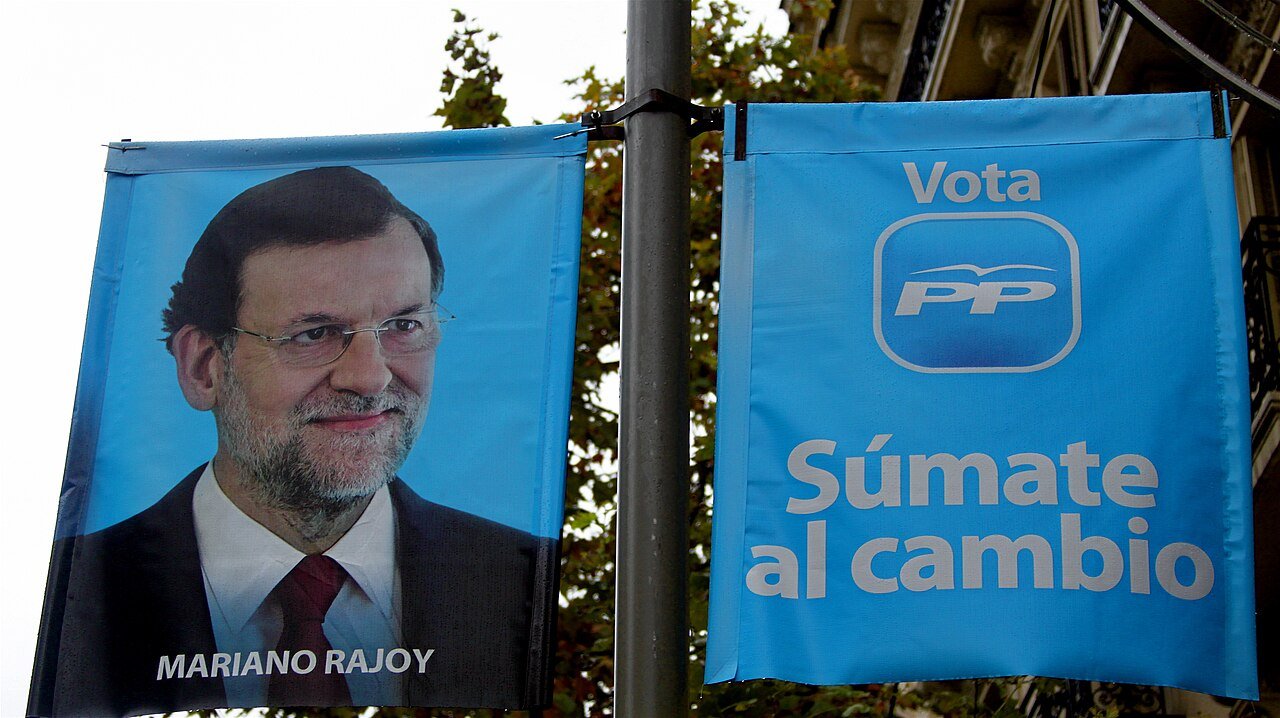
It was a rout. Mariano Rajoy's PP won 186 seats with about 44.6 per cent of the vote, the largest majority the party had ever held. The Socialists fell to 110 seats, their worst result since the return of democracy in 1977. The PP's banners that autumn said "Súmate al cambio" (join the change), which was about as much detail as Rajoy wanted to give about what came next, and it worked.