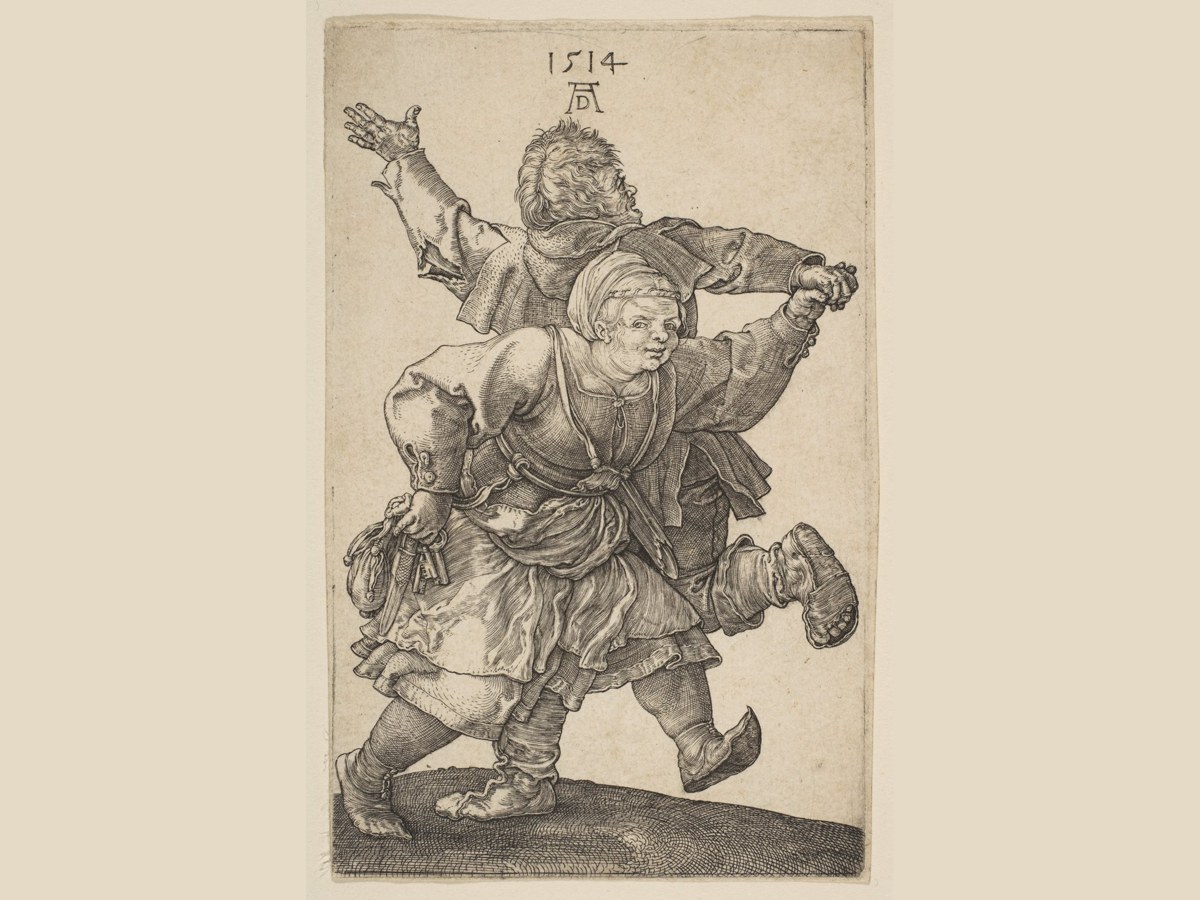
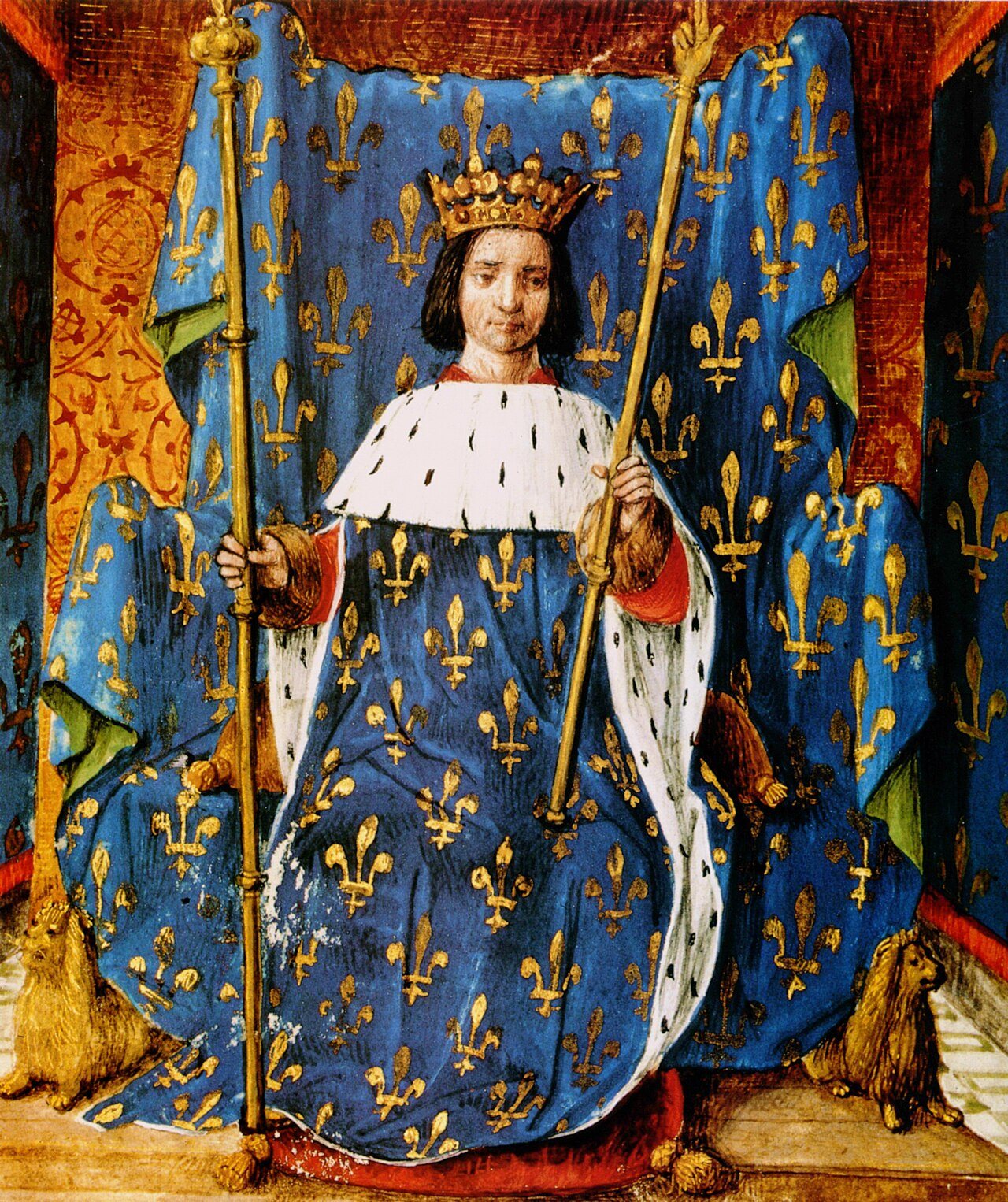
Engraving: Albrecht Dürer, Peasant Couple Dancing, 1514, The Metropolitan Museum of Art, CC0
Some time around the middle of July 1518, a woman the chronicles call Frau Troffea walked out of her house into a narrow street in Strasbourg and began to dance. There was no music and no festival. She went on, by the usual account, for something like four to six days, stopping only when she collapsed from exhaustion, sleeping, and getting up to start again. Her husband begged her to stop. She could not, or would not, and by the end of the week thirty or more of her neighbours had joined in.
That is how the best-documented dancing plague in European history began. By the time it ended in early September, one family chronicle put the number of people affected at around 400. Some of them died. How many is one of the questions nobody has settled.
A city with plenty to be frightened of
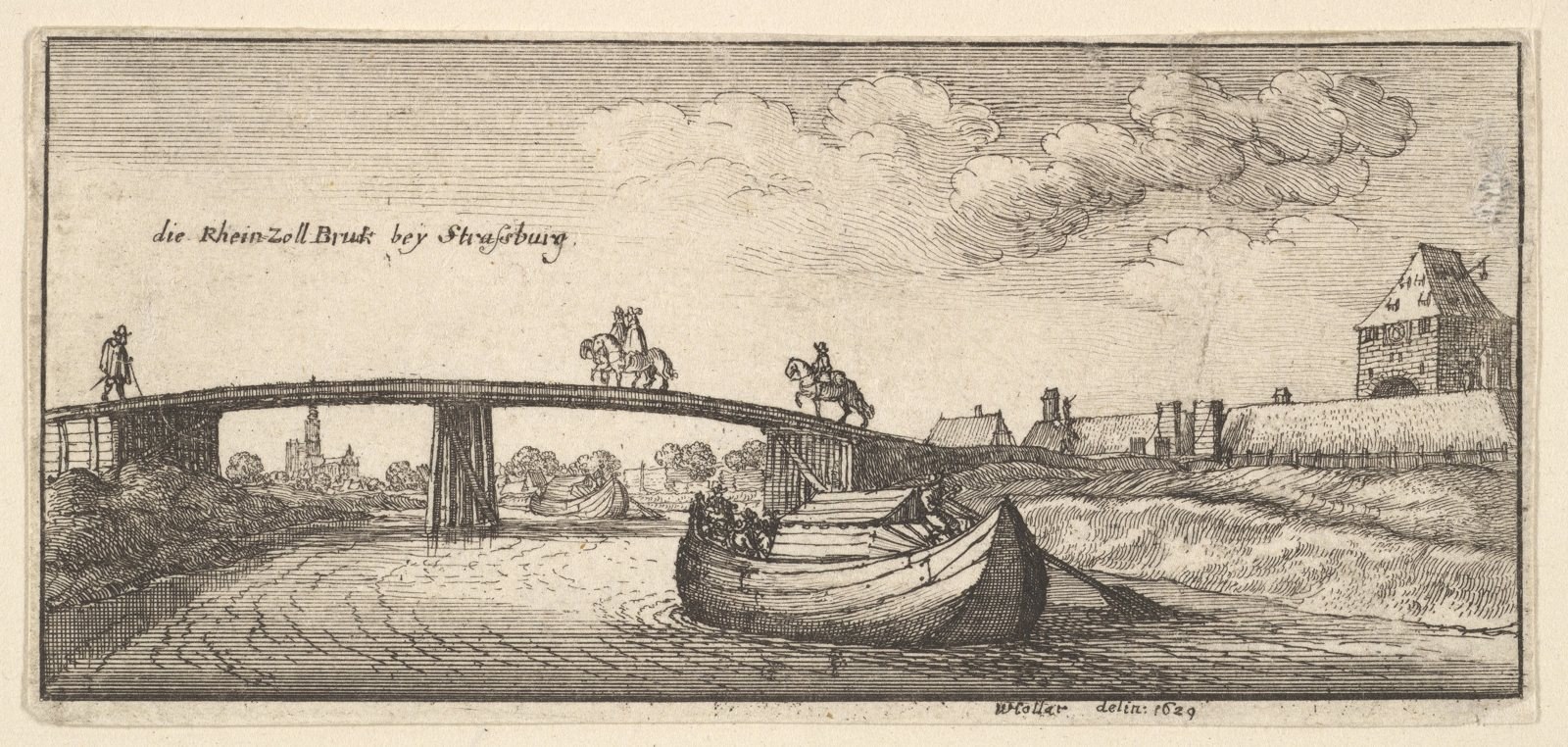
Wenceslaus Hollar, the Rhine toll bridge near Strasbourg with the cathedral spire in the distance, etching, 1629. The Metropolitan Museum of Art, CC0
Strasbourg in 1518 was a free imperial city of perhaps 20,000 people on the Rhine, prosperous, full of printers and, by the standards of the age, well run. It was also having a terrible decade. There had been a run of bad harvests and steep bread prices, and the new disease people called the French pox, syphilis, had arrived and was spreading. Leprosy and plague were familiar. Preachers in the cathedral were warning that God's patience was running out.
The region also had a history. Outbreaks of compulsive dancing had been recorded along the Rhine and the Moselle since 1374, and every one of them that historians know of before 1518 happened within reach of Strasbourg. People there knew what the dancing was supposed to mean. It was the curse of Saint Vitus, a Sicilian martyr who was believed to punish sinners by making them dance and to cure them if properly appeased.
The doctors' prescription
The city council did what a sensible council would do and asked the physicians. The physicians ruled out a supernatural cause, which is to their credit, and ruled out bleeding. Their diagnosis was "hot blood," a natural illness that would burn itself out if the sufferers kept moving. In plain terms, they prescribed more dancing.
So the council organised it. According to the architect Daniel Specklin, writing later in the century, the guild halls of the carpenters and the tanners were cleared to make dance floors, and a wooden stage was put up in the horse market, with another near the grain market. Musicians were paid to play drums, fifes, pipes and horns. Strong, healthy dancers were hired to hold the afflicted up and keep them moving when they flagged. I find it hard to read the chronicles' description of this without picturing a sort of civic rave, and I am not sure the picture is wrong.
It was a disaster. The stages put the dancing in front of the whole town, the music drew crowds, and the crowds seem to have taken the spectacle as proof that Saint Vitus was furious. More people started dancing. One later chronicle claims that at the height of the outbreak fifteen people were dying a day. That figure is not found in the sources closest to the events, and I would not lean on it, but several of the chronicles agree that some of the dancers died, and exhaustion, heart failure and infected feet are the obvious candidates.
Red shoes and a ban on drums
At some point in August the council changed its mind completely. The stages came down. Dancing in public was banned, and so was almost all music until the end of September, with one grudging exception: weddings and the first Mass of a newly ordained priest could have dancing, but only to stringed instruments, and no drums or tambourines. Sebastian Brant, the city's secretary and the author of the bestselling satire Ship of Fools, is the man whose name is attached to that order.
The council also turned from the doctors to the saint. The worst affected were loaded onto wagons and taken some thirty miles to a shrine of Saint Vitus in a grotto in the hills near Saverne. There, priests sat them beneath a carved figure of Vitus, gave them small crosses to hold, and put red shoes on their feet, marked on the top and the soles with crosses in holy oil. The ritual worked, or at any rate the outbreak was over within a few weeks, and by September the chroniclers had moved on.
What actually happened
Two explanations get most of the attention today. The older one is ergot, a fungus on damp rye that can cause hallucinations and convulsions; it is the same mould sometimes blamed for the Salem witch trials. The historian John Waller, whose 2009 book A Time to Dance, a Time to Die is the standard modern account, is unconvinced. Ergot poisoning restricts the blood supply to the hands and feet. People suffering from it can twitch and fit, but they would struggle to dance for days on end.
Waller's own view is that the dancers were in a trance state brought on by fear and exhaustion, in a city primed to believe that Saint Vitus could do exactly this to them. Mass psychogenic illness, to use the modern term, is real and well recorded; the laughing epidemic that spread from a girls' school in Tanganyika in 1962 is the example usually given. Not everyone agrees that the label explains very much, and I am not sure it does either. It describes what happened rather than why it happened in Strasbourg, in that particular July.
The woman who started it
Paracelsus, who visited Strasbourg eight years later, decided that Frau Troffea had been faking to humiliate her husband, which tells us more about Paracelsus than about her. He was not there in 1518, and he never says who told him. The chroniclers who were closer to the events give her no first name and no age, and she drops out of the record once she is sent to the shrine at Saverne. Whether she recovered, or whether she ever danced again, is not known.
Enjoyed this story?Get a new one every day on social.