Jan Pešula (User:Sapfan), CC BY-SA 2.5, via Wikimedia Commons
On Thursday afternoon, a little after one o'clock, Paraguay's interior minister carried a letter to Congress. It was the resignation of President Santiago Peña, two days after the central bank moved in on Ueno Bank, an institution claiming about three million customers in a country of 6.5 million. Most presidents who send that letter get what they want. Peña did not. According to reports from Asunción, senators voted 24 to 20 against accepting it, Colorado Party lawmakers walked out, the joint session lost its quorum, and the impeachment carried on with him still, technically, in office. The deputies voted 78 to none to send the case up.
To an outsider this looks like spite, but the reason is written into the constitution. Paraguay has also been here before, when a president resigned with the Senate about to try him, and the country has had 27 years to think about how that went.
The clause that makes a resignation valuable
Paraguay wrote its present constitution in 1992, three years after the fall of Alfredo Stroessner. Article 189 says that former democratically elected presidents become senators for life, with a voice but no vote, unless they were "sometidos a juicio político y hallados culpables": impeached and found guilty. The seat carries immunity. So a president who leaves by the front door gets a shield, and one convicted by the Senate does not.
Opposition senators said exactly this on Thursday. If Peña's resignation stands, Congress would have to strip his immunity before prosecutors could reach him. If thirty of the forty-five senators convict him, it never exists.
"Cubas in government, Oviedo in power"
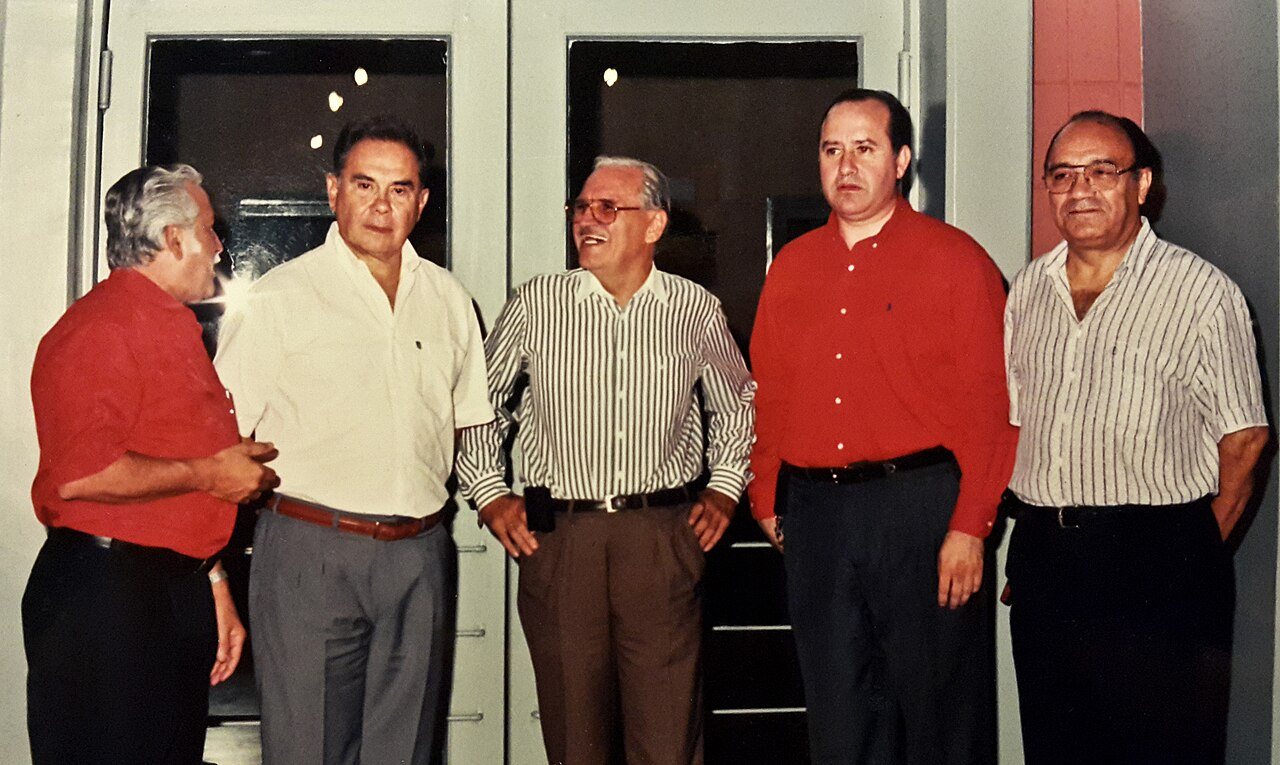
A group of men in shirtsleeves outside a door: Luis María Argaña with leaders of his Colorado faction, the Movimiento de Reconciliación Colorada. Photo: Msanlm, CC BY-SA 4.0, via Wikimedia Commons
The precedent starts with a general. Lino Oviedo tried to overthrow President Juan Carlos Wasmosy in 1996, and in March 1998 a military court gave him ten years. He was by then the Colorado candidate for the presidency. His running mate, the engineer Raúl Cubas Grau, took his place on the ballot under a slogan that hid nothing: Cubas in government, Oviedo in power. Cubas won that May with 54 percent.
Three days after his inauguration in August he cut Oviedo's sentence to time served. In December the Supreme Court ruled that unconstitutional and ordered the general back to prison. Cubas replied that the court had no authority over his decisions. In February 1999 the Chamber of Deputies fell two votes short of impeaching him. The vice president throughout all this was Luis María Argaña, an old Colorado hand and Oviedo's rival inside the party.
Diagonal Molas, shortly before nine
On the morning of Tuesday 23 March 1999, gunmen ambushed Argaña's car on the way to his office in central Asunción. He was killed, as was his bodyguard, Francisco Barrios González. His driver survived.
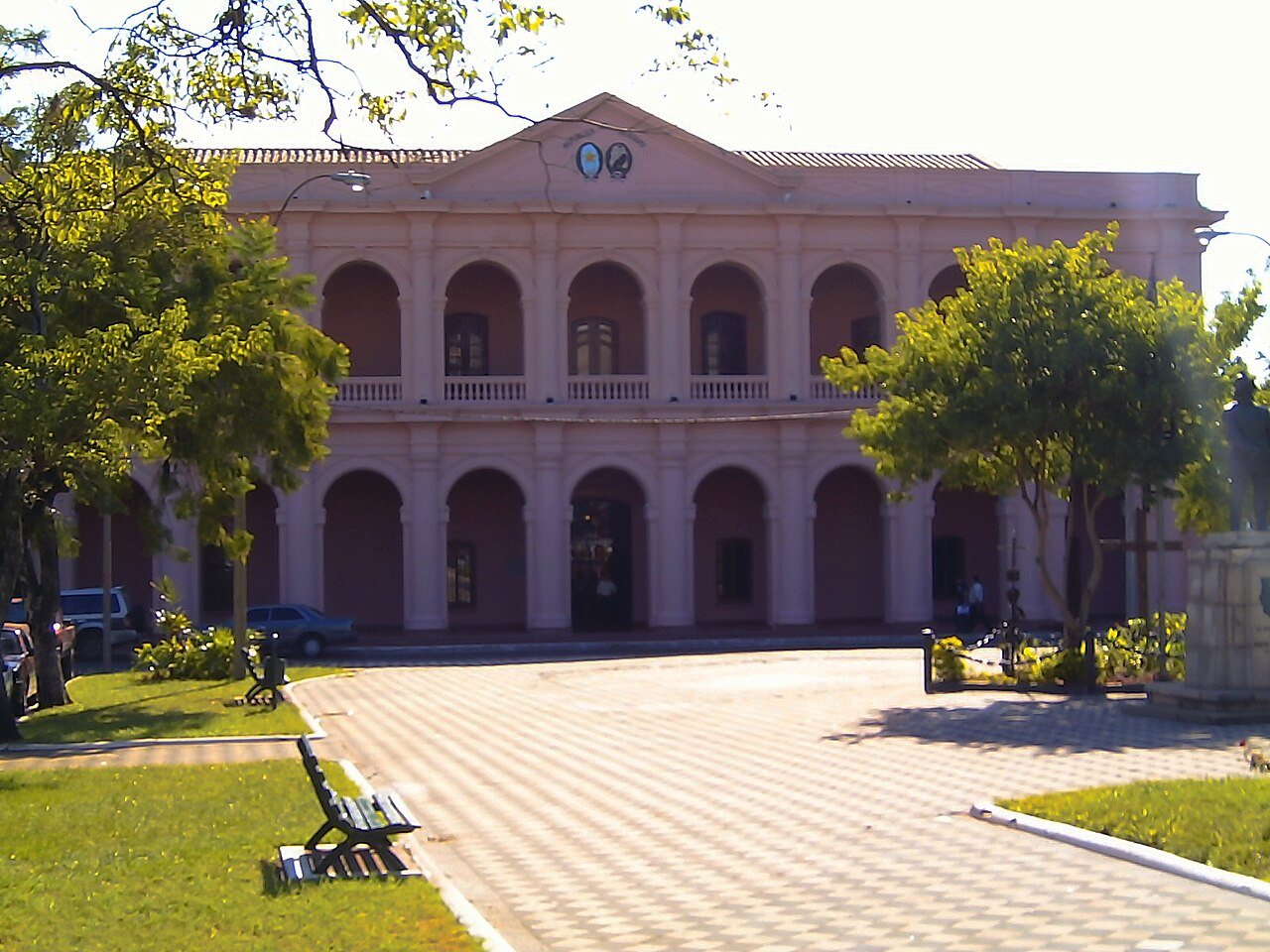
The opposition blamed Cubas and Oviedo within hours. The next day the deputies found their two-thirds and sent Cubas to the Senate for trial, with a date set of 7 April. Crowds, many of them young, filled the squares in front of the Cabildo, the old colonial building where Congress then sat. Oviedo's supporters came too.
The square in front of Congress
There were fights in the plaza for two days, stones and sticks, and barricades of burned cars that kept out the tanks and cavalry Cubas sent. On the night of Friday 26 March, shots came from the surrounding buildings into the crowd. Paraguay remembers seven dead, and has their names; at least one biography of Cubas says nine, and one recent Paraguayan report puts the wounded at 769. Some accounts date the killing to the 27th.
Who fired has never been fully settled. Suspicion fell on snipers loyal to Oviedo, and it has stayed there, but when the case against him was dismissed years later, the judge said it was not known where the shots came from.
The door Cubas used
On Sunday 28 March, facing near-certain conviction, Cubas resigned. Luis Ángel González Macchi, the head of the Senate, was sworn in the same day. Congress shelved the trial, because there was now no president to try.
Cubas had avoided a guilty verdict and so kept his claim on a life seat, but he evidently did not trust it. He took refuge in the Brazilian embassy and left for Brazil, where he reportedly had an apartment. Oviedo went to Argentina. A warrant for Cubas went out on 29 March over the deaths in the square, and in September Congress lifted his immunity on separate charges. He came home on 23 February 2002 and gave himself up to a Supreme Court judge, who sent him to a military facility. I have not found a clean account of how those cases ended. In 2007 he asked to take the oath as senator for life. Nobody ever dealt with the request.
Three men were convicted of shooting Argaña. One, Luis Rojas, was released in November 2025 after about 25 years. Nobody has ever been convicted of ordering it, which Argaña's family still says aloud. Oviedo died in a helicopter crash in 2013.
Why Thursday went differently
The next time Congress came for a president it did not give him room for a letter. Fernando Lugo was accused and removed in under 30 hours in June 2012, by 39 votes to 4, with two hours allowed for his defence. Mercosur suspended Paraguay over it.
Peña's case is a different animal. It concerns a bank, and close to $850 million in public funds, and pensions paid through Ueno that people cannot reach. He once held a stake in Ueno's parent company and says he sold it in 2025. Lawmakers allege a conflict of interest. He says he will cooperate with prosecutors and defend himself before the Senate. What is familiar is the machinery, including the part where the Colorados turned on a Colorado: the party's leader, Horacio Cartes, said it would back impeachment.
The Senate was due to sit again at ten on Friday morning, with its president hoping to finish that day. If thirty senators vote to remove him, Vice President Pedro Alliana takes over and the seat for life is gone. If they fall short, there is still an unaccepted resignation lying on a desk in Asunción, and I have not yet seen anyone explain what happens to it.
Enjoyed this story?Get a new one every day on social.