Balen Shah Asks Delhi for Transit Rights. Nepal Lost Them for a Year in 1989
On Sunday Balendra Shah, Nepal's prime minister, stepped off his plane in Delhi and shook hands with Jitin Prasada, India's junior minister for commerce. It is his first bilateral visit anywhere since he took office in March. Shah, a former rapper and structural engineer who used to be mayor of Kathmandu, sits down with Narendra Modi on Monday, and according to Nepal's foreign secretary he has a short list: more air routes into Nepal from India, money to rebuild after the floods of 26 August, and concessions on trade and transit. India wants access to Nepal's airspace and a better climate for its companies, especially in hydropower.
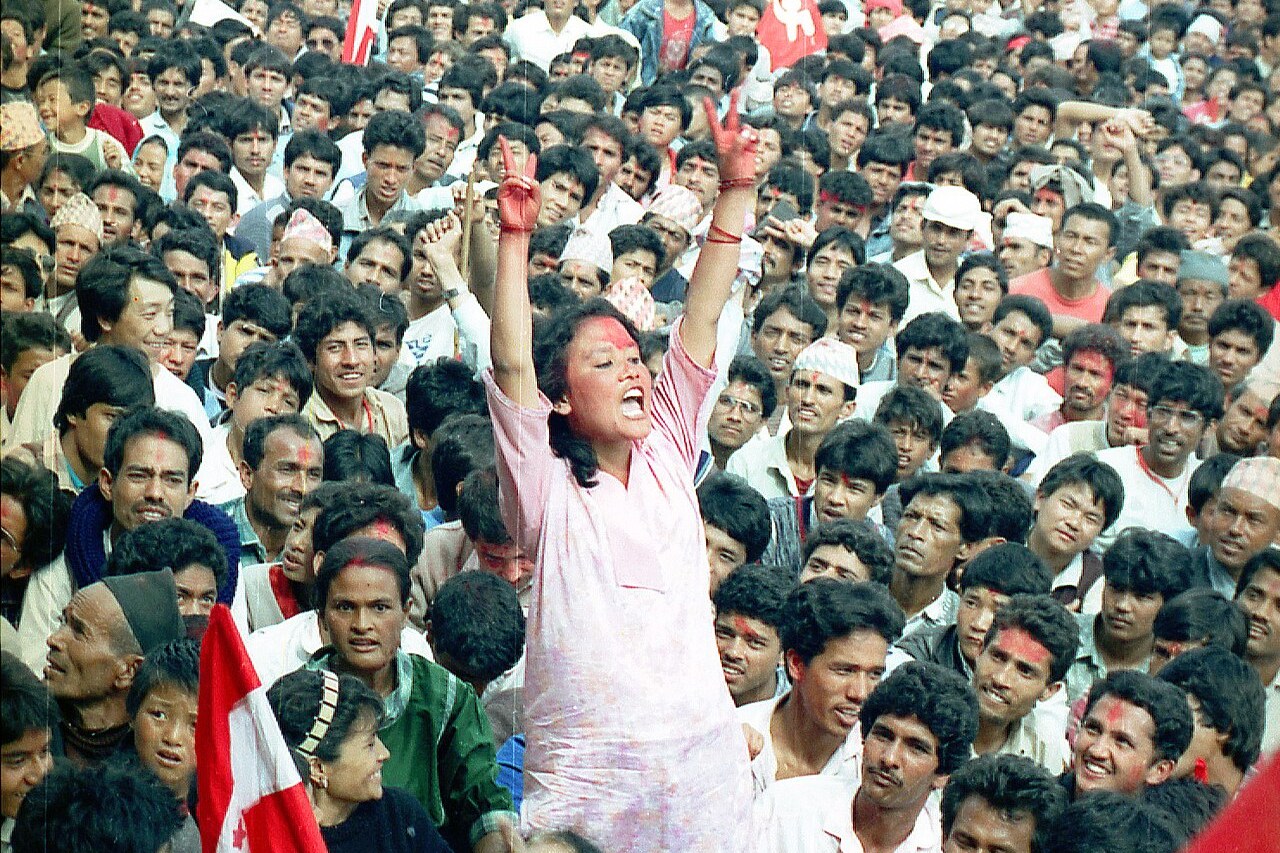
Trade and transit sound like the dullest items on any agenda. In Nepal they are not, because the country has no coast, India surrounds it on three sides, and most of what Nepal buys from the world arrives through Indian ports and over Indian roads. Indian trade makes up well over half of Nepal's goods trade. Everyone over about forty in Kathmandu remembers the year that supply was cut.
Two treaties run out
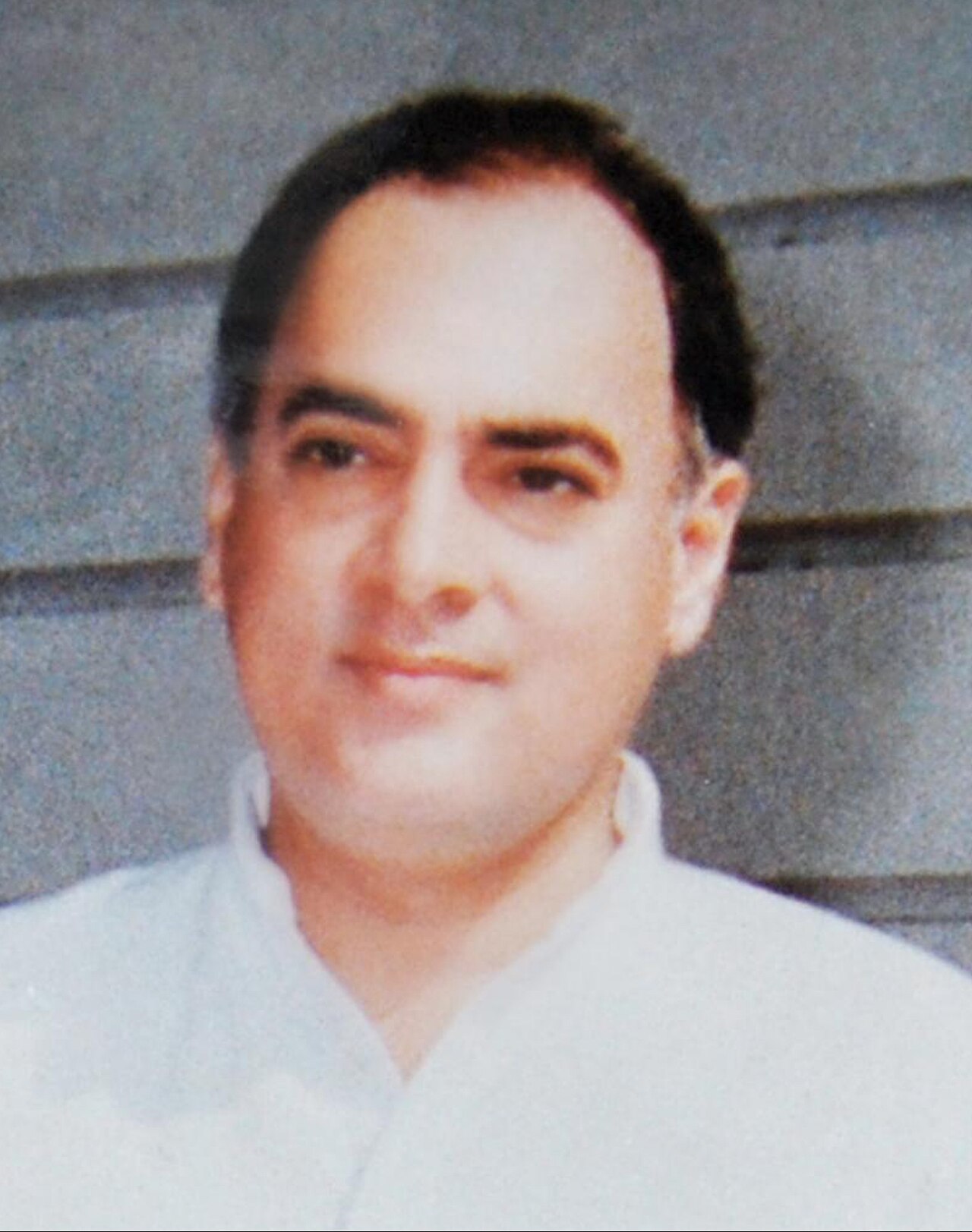
In 1978 India and Nepal had signed separate treaties covering trade and transit. Nepal had pushed for keeping them separate, so that a quarrel about trade could not choke off its access to the sea. Both expired in March 1989. India, then governed by Rajiv Gandhi, wanted a single combined treaty instead, plus an agreement on smuggling, and talks went nowhere.
On 23 March 1989, according to the Library of Congress country study of Nepal, India declared both treaties expired and closed all but two of the border crossings. (A Nepali politician interviewed by Republica remembers three crossings staying open, so the exact number depends on whom you ask.) Officially it was not a blockade, only the absence of a treaty. Very few people in Nepal saw the difference.
The reasons went well beyond paperwork. In 1988 Nepal had agreed to buy weapons, including anti-aircraft guns, from China, which Delhi read as a breach of the understanding that India handled Nepal's security. Nepal had also started requiring work permits for Indians in some sectors and had put tariffs on Indian goods. King Birendra, who ran the country through the partyless Panchayat system, was not inclined to back down, and neither was Gandhi.
Back to the 1978 terms
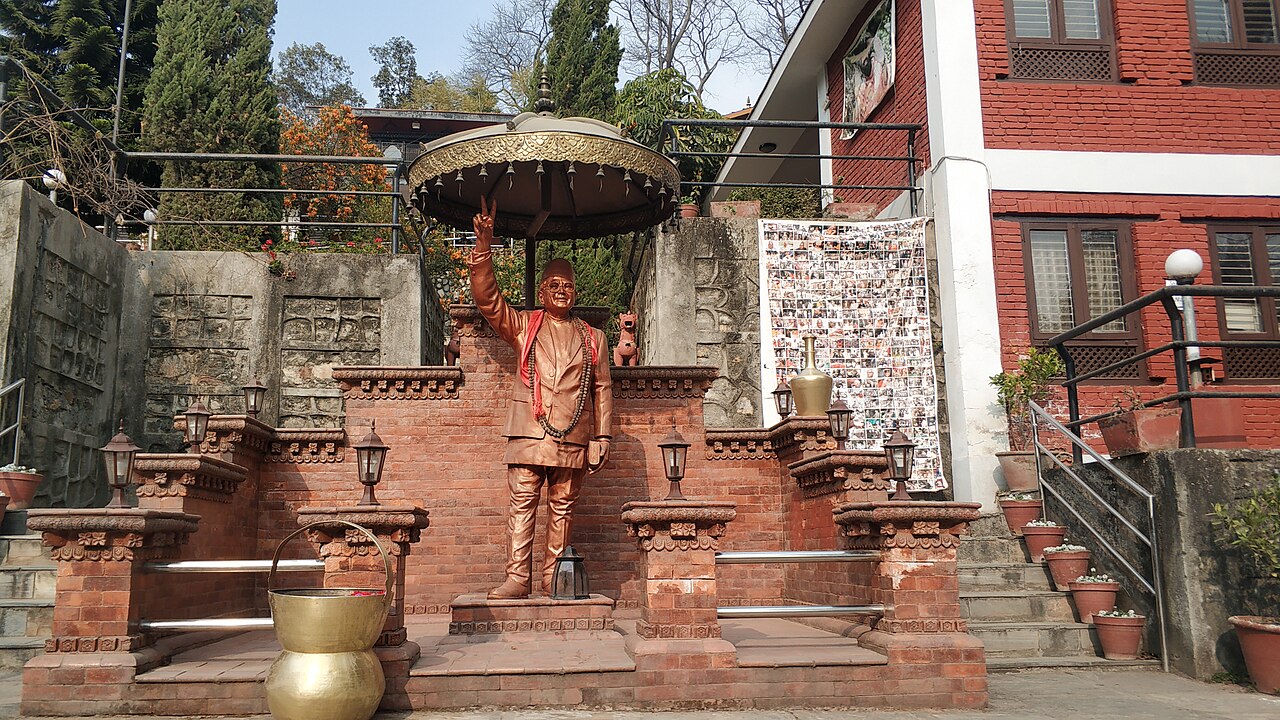
The new interim prime minister was Krishna Prasad Bhattarai of the Nepali Congress, a veteran of the party who had spent years in prison after King Mahendra banned the parties in 1960. In June 1990 the two governments issued a joint communiqué restoring the arrangements that had existed before March 1989 and reopening the border points. Nepal, for its part, made concessions to Indian business and said it had bought the Chinese arms because they were cheap.
India and Nepal fell out over the border again in 2015, when protests and an Indian slowdown at the crossings caused months of fuel shortages, and Delhi again insisted it had blocked nothing. The two governments are expected to adopt a joint vision document during this visit. Its title is "Samriddha Nepal, Samunnat Bharat", a prosperous Nepal and an advanced India.